Obtain the nitrogen duty from the job designer
Request the required rate, pressure, gas quality and temperature cases from the responsible campaign engineer. Include planned changes between stages and expected duration. A description such as coiled-tubing support does not establish one universal nitrogen-pumper specification. Keep provisional values and confirmed requirements distinguishable. The equipment supplier should respond to those duty cases and identify limitations, while the well program remains under the responsibility of the qualified team that controls the complete operation.
Mark the connection and pressure boundaries
Identify the intended truck discharge interface and the equipment between that point and the receiving system. List who supplies each manifold, assembly and instrument. Do not assume the nitrogen truck includes coiled tubing, pressure-control equipment or return handling simply because it supports the campaign. Ask for a shared boundary drawing reviewed by the relevant suppliers. This allows the purchasing team to compare complete scopes and prevents one contractor’s quotation from appearing cheaper because an essential interface is assumed to belong to another package.
Define coordination between operating stations
Describe how the nitrogen-pumper operator and the wider service crew receive the information needed for their responsibilities. Ask which local or remote controls and communication interfaces are included. Separate a request for remote information from authority to operate another package. The responsible system designers should establish the required control and protective relationships for the spread. Procurement should request an agreed description and evidence rather than infer integrated behavior from the presence of similar displays or a generic data connection on both units.
Review supply and sustained thermal capability
The selected liquid supply and vaporizer must support the agreed nitrogen cases for the required duration. Include changes in location, access and replenishment resources across the campaign. A gas-delivery demonstration at one favorable point does not establish the full job schedule. Ask the supplier to identify the limiting case and supporting equipment, including external resources. The existing unloading-interface guide provides wider job context; this purchase review should resolve what the nitrogen truck and its ordered options actually provide to the coiled-tubing spread.
Agree on shared acceptance and reporting
Define which interfaces can be checked before shipment and which require coordinated destination work. Assign the records and sign-off needed from each supplier. Request a sample nitrogen job record with the channels and volume basis the customer needs. If two data systems are expected to be compared, clarify timestamps, naming and export requirements. The purchased package should have a clear handover boundary so later questions about delivered nitrogen can be distinguished from conditions controlled by the separate coiled-tubing and well equipment.
Keep support equipment outside the price only when ownership is explicit
Review the interface list with the coiled-tubing contractor, gas supplier and nitrogen-truck supplier. Identify any connection, monitoring or communication item absent from all three scopes. Put the resulting responsibility into the commercial comparison before ranking prices. This avoids purchasing a capable nitrogen pumper whose supporting interfaces are still unassigned when the spread mobilizes. The complete campaign design and operating procedures remain with the responsible project team; the equipment order should make its own contribution to that design precise.
Put these items side by side in the bid review
| Purchase item | Question to resolve | Evidence to request |
|---|---|---|
| Job duty | Engineer-defined nitrogen delivery cases | Campaign operating requirements |
| Spread interface | Connections and equipment ownership | Shared boundary drawing |
| Handover | Controls, records and joint checks | Supplier responsibility schedule |
Suggested wording for the quotation request
Quote nitrogen pumping support for the attached coiled-tubing campaign cases. Define discharge interfaces, external supply, thermal capability, controls and reporting scope. List exclusions, assign joint acceptance items and provide a responsibility schedule covering equipment and services supplied by other contractors.
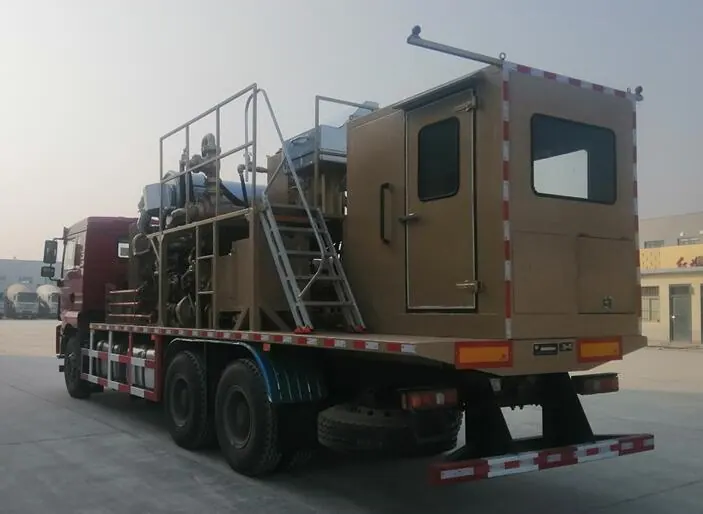
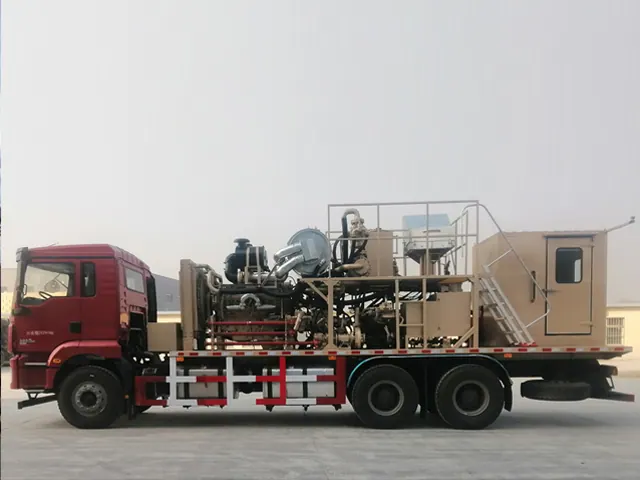
Keep the decision tied to the complete oilfield nitrogen pumping truck: nitrogen source, cold end, vaporizer, drive, delivery controls and the defined customer interfaces. A component option should not quietly change the agreed nitrogen delivery duty or move essential equipment outside the price. Ask the supplier to identify assumptions, exclusions and deviations in the written offer, then resolve them with the responsible engineering and purchasing teams. Use the approved equipment documentation and site procedures for setup, testing and operation.
For the wider equipment scope, consult the Nitrogen Lift Trucks: Well Unloading and Return Interfaces. Use the RFQ checklist to collect the supporting documents before requesting a configuration-specific quotation.
Buyer questions
Does a nitrogen truck quotation include the coiled-tubing package?
Only if explicitly listed. The pumping unit and the wider service equipment normally require clearly defined supply boundaries.
Can the supplier select the truck from the application name alone?
A meaningful selection needs the engineer-defined pressure, rate, temperature, duration and interface requirements.
Background and supplier contact
OSHA oil and gas extraction guidance offers related background, not certification of the equipment in a quotation. Applicability must be checked for the project and destination.
Explore the oilfield nitrogen pumping truck, browse all technical resources, or visit Vance Petroleum for company information. Request a nitrogen truck proposal with the relevant delivery cases and site requirements.