Keep the process objective explicit
For each proposed service, obtain the delivery requirements from the responsible process or test engineer. Purging may be governed by one flow and quality objective, while a pressure-test program may require a different pressure range, response and evidence. The truck supplier should not determine the test method or approve the process by selecting a pump. Nitrogen gas service is not a hydrostatic water test. Keep the actual medium and approved work scope unambiguous in the purchasing documents.
Compare the complete range of delivery cases
Record the relevant pressure, rate, temperature and duration together for each service. Include low-demand conditions and changes through the approved program. A package selected only from its highest pressure can leave routine low-rate work unresolved. Conversely, a large gas-rate number may not describe the desired pressure condition. Ask the supplier to show coverage of both sets of cases in one installed-system table, identifying configuration changes, supporting equipment and limitations rather than relying on broad claims that the truck can perform every nitrogen operation.
Define connection and control ownership
Identify the receiving equipment, instruments and control responsibilities outside the truck. Ask which items form part of the ordered package and which belong to the site or specialist testing contractor. The responsible designers should establish any protective and coordination functions. Do not use the equipment enquiry as an improvised procedure for conducting a pressure test. A clear interface schedule allows suppliers to price their responsibilities while preserving the authority of the team that owns the approved process or testing program.
Specify quality and measurement evidence by duty
The customer may require different gas-quality records or delivery measurements for each application. Identify sampling locations, units, instrument ranges and report fields with the responsible parties. Ask whether the quoted measurement package supports the relevant low and high conditions. A shared nitrogen source does not automatically make the reporting needs identical. Compare the cost of any additional instruments, recording functions or source records required to support both duties, including calibration and the practical process for retaining the resulting evidence.
Accept the defined package, not a general application list
The factory demonstration should address the functions and performance cases actually included in the order. Identify site-dependent work and any limits on what the trial can establish. Do not treat a pressure achievement or gas-flow demonstration as authorization for every receiving system or procedure. Choose the package whose supported operating range and interfaces fit the approved duties. Where the two applications need different configurations or specialist equipment, make that difference visible in the quotation and campaign plan before the order is confirmed.
Ask why each extra option is needed for the second duty
When a supplier offers one truck for two services, request a clear list of the additional equipment and functions needed to support the second service. Identify which options affect the operating range and which only affect measurement or reporting. This lets the buyer evaluate flexibility without accepting an undefined all-purpose claim. Keep the process and test authority with the responsible project team, and require the equipment proposal to state the performance and interface evidence on which its offered scope depends.
Put these items side by side in the bid review
| Purchase item | Question to resolve | Evidence to request |
|---|---|---|
| Purging support | Approved gas-delivery and quality objective | Process-engineer duty cases |
| Pressure-test support | Medium, pressure range and interfaces | Authorized test-program requirements |
| Combined package | Extra options and operating limits | Configuration and evidence comparison |
Suggested wording for the quotation request
Review the attached purging and pressure-test support duties separately. State the nitrogen truck’s supported pressure-rate-temperature cases, measurement and control scope, connection boundaries and limitations. Identify extra equipment required for either service and distinguish package acceptance from approval of the site process or test procedure.
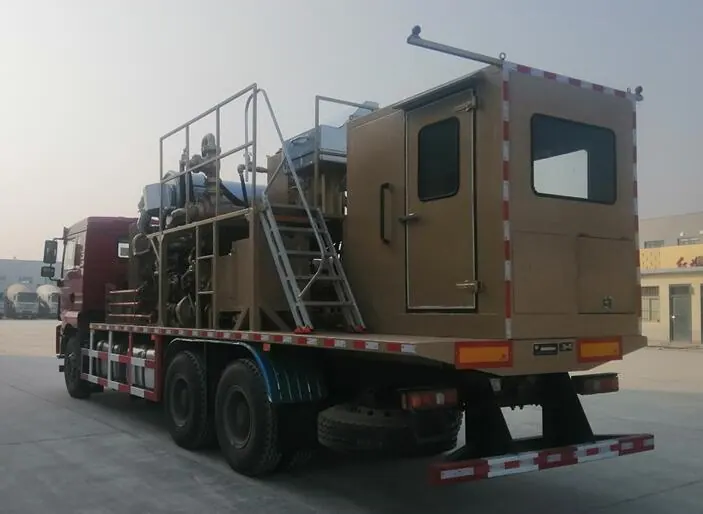
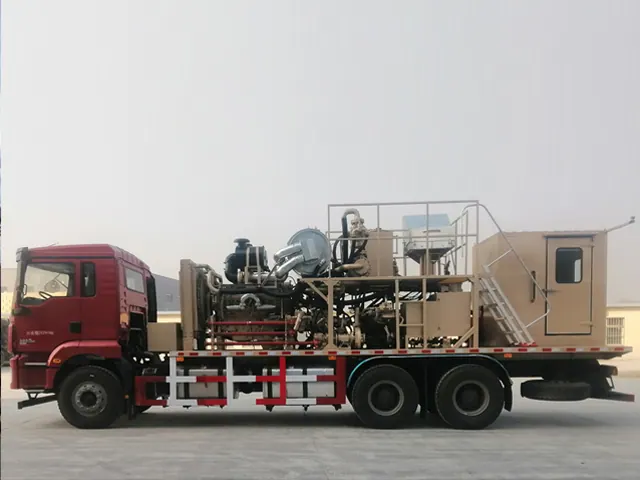
Keep the decision tied to the complete oilfield nitrogen pumping truck: nitrogen source, cold end, vaporizer, drive, delivery controls and the defined customer interfaces. A component option should not quietly change the agreed nitrogen delivery duty or move essential equipment outside the price. Ask the supplier to identify assumptions, exclusions and deviations in the written offer, then resolve them with the responsible engineering and purchasing teams. Use the approved equipment documentation and site procedures for setup, testing and operation.
For the wider equipment scope, consult the Oilfield Nitrogen Pumping Truck: Uses and Operation. Use the RFQ checklist to collect the supporting documents before requesting a configuration-specific quotation.
Buyer questions
Is nitrogen gas pressure testing a hydrostatic test?
No. Gas and liquid test media are different. The responsible test engineer must define the actual program and equipment requirements.
Does an application list prove one truck covers both duties?
No. Compare the specific operating cases, interfaces and evidence for the installed configuration.
Background and supplier contact
OSHA oil and gas extraction guidance offers related background, not certification of the equipment in a quotation. Applicability must be checked for the project and destination.
Explore the oilfield nitrogen pumping truck, browse all technical resources, or visit Vance Petroleum for company information. Request a nitrogen truck proposal with the relevant delivery cases and site requirements.