Start with the job decision
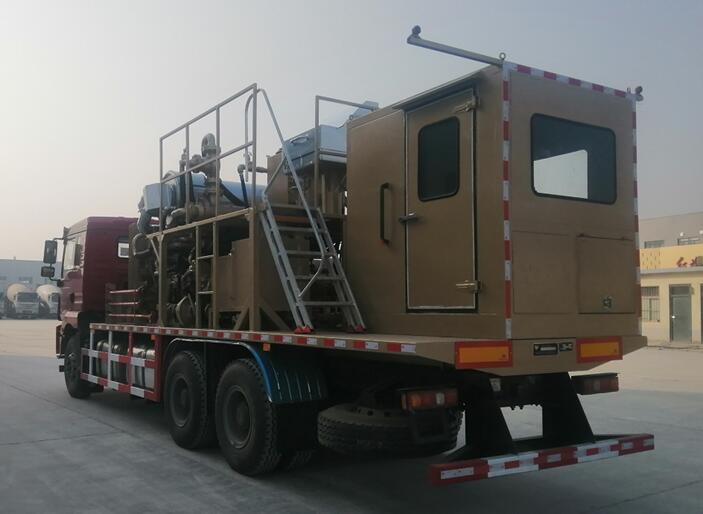
Oilfield Nitrogen Pumping Truck projects succeed when the equipment scope is tied to a defined operating duty: pressurizing and delivering nitrogen for well intervention, unloading, pressure testing and stimulation support. A useful project document separates normal duty, maximum credible duty, standby or transient conditions and the physical interfaces available at site. This keeps procurement language connected to field reality.
Record maximum discharge pressure, nitrogen rate, liquid or generated supply and job duration as ranges rather than isolated peak figures. The supplier can then explain how the cryogenic or gaseous nitrogen pump, vaporizer or heat exchanger, boost pressure controls and high-pressure discharge manifold work together across the intended envelope.
Operating data the RFQ should contain
The RFQ should state the objective for nitrogen lift, well unloading, foam stimulation or pipeline pressure testing; expected job duration; fluid or process properties; site utilities; ambient conditions; transport restrictions; hazardous-area basis; and required codes. Where data is uncertain, mark the expected range and identify who owns final confirmation.
| Review item | What to confirm | Evidence or input |
|---|---|---|
| maximum discharge pressure | Normal, minimum and maximum values | Duty sheet and source calculation |
| nitrogen rate | Required operating range and limit | Process or well program |
| liquid or generated supply | Quality, composition or site constraint | Laboratory or project data |
| job duration | Availability and boundary conditions | Site interface schedule |
Define scope boundaries before requesting price
List what is included on the mobile or skid package and what remains with the site. Cover connections, hoses or piping, power and fuel, controls integration, commissioning services, operator training, export packing, recommended spares and documentation. Ask suppliers to list exclusions and deviations explicitly rather than burying them in general notes.
Duty cases, interface data, materials, protection functions, testing and deliverables.
Base scope, options, spares, freight basis, services, delivery milestones and validity.
Use one evaluation sheet for every bidder
Map each proposal against the same requirements. A compliant offer should show selection calculations, component models, package drawings, utility consumption, operating limits and a deviation list. Clarifications should close missing data, not create a new undocumented scope.
Keep a usable project record
Maintain one controlled file containing the approved duty sheet, supplier clarifications, drawings, component data, inspection records, test results, deviations, photographs and signed acceptance documents. Record document revisions and the person responsible for each open item. This prevents the operating team from receiving a package whose final configuration differs from the information used during procurement.
The handover set should also identify installed component models, consumables, calibration intervals, recommended spares, preservation requirements and supplier support contacts. Capture baseline operating readings when the unit is accepted. Those records give maintenance personnel a reference for condition changes and allow later modifications to be reviewed against the original design basis.
Before closing the project, confirm that operators can find the startup, normal-operation, controlled-shutdown and emergency procedures relevant to their unit. Training attendance alone is not sufficient; the responsible team should demonstrate the required checks and know which conditions require escalation rather than continued operation.
Codes, standards and project requirements
Confirm the final specification and acceptance plan against the owner’s project standards, local jurisdiction and OSHA oil and gas extraction safety guidance. The applicable project documents govern whenever they are more specific.