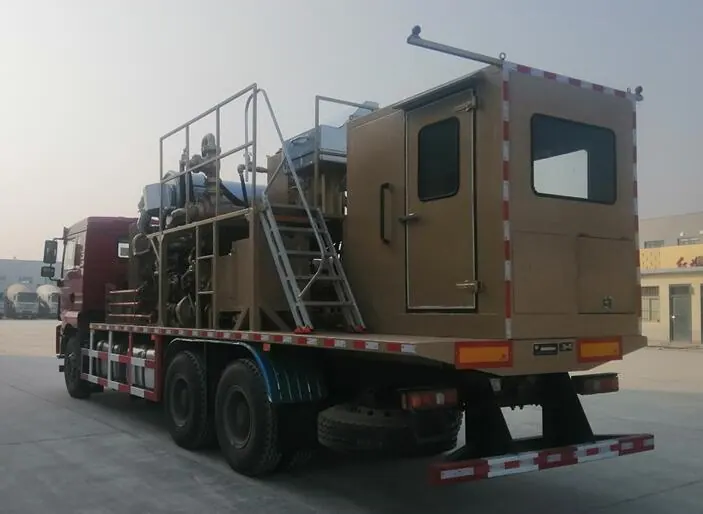
Draw the source-to-pump boundary
Identify the intended liquid vessel, connection point and complete route to the cold end. State whether the truck uses onboard storage or an external source and which temporary assemblies are supplied by each party. Include relevant source operating conditions and the range expected as inventory changes. A factory arrangement using a short dedicated connection may differ substantially from the buyer’s planned supply. Put these assumptions beside the pump offer before comparing equipment prices or deciding that the standard accessory package is complete.
Request the cold-end inlet requirements
Ask the selected pump supplier to specify the inlet conditions and limitations for the proposed service. Keep these requirements linked to the actual cold-end reference and operating range. The buyer should be able to compare them with the source arrangement without guessing from the discharge rating. Where information from the gas supplier is still pending, identify the open item explicitly. An assumed adequate inlet condition should not become an unnoticed contractual dependency that is discovered only when the truck reaches the field.
Account for transfer components and losses
The connection path includes valves, hoses, fittings and any additional conditioning equipment in the proposal. Ask which components the supplier has included in its assessment and which must be reviewed after the final site arrangement is known. Request suitable component documentation for the intended cryogenic service. A compatible connection size does not establish the suitability of a complete assembly. The purchase scope should make it possible to review the whole inlet path rather than leave several contractors each assuming that another party has assessed the missing segment.
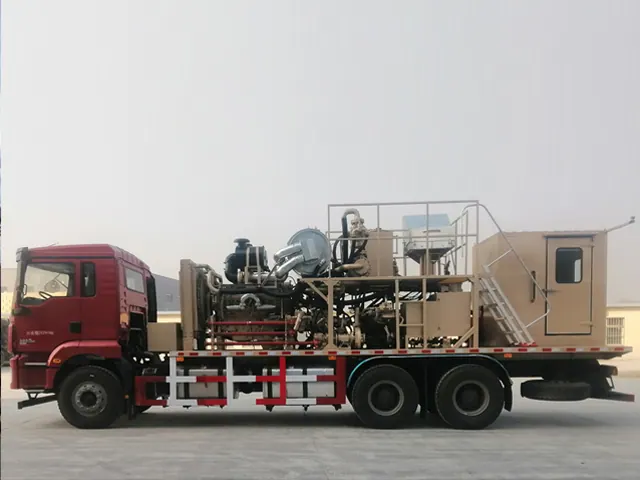
Include instrumentation and isolation responsibilities
Identify the measurements and control functions required to assess supply condition and the responsible equipment provider. Ask how the proposed system communicates a supply limitation to the operator and how interfaces are covered in the approved design. The enquiry should request documented functions and evidence, not prescribe field adjustments to cryogenic vessels. Confirm access for inspection and service, including identification of components that belong to the gas supplier. Clear responsibilities help the operating team obtain the right technical support without modifying equipment outside its approved scope.
Match the demonstration to the quoted supply
The acceptance plan should record the source condition, inlet arrangement, cold-end identity and operating case used. If the field source cannot be reproduced, require a documented comparison and resolution of the remaining interfaces. A successful clean factory trial is useful evidence for its own conditions, but it cannot close an undefined supply boundary. Agree who signs off the final interface before shipment or commissioning. This purchasing review complements the existing cold-end performance guide by establishing the equipment and evidence needed before the first job.
Check what the gas supplier expects the buyer to provide
Ask the gas supplier and truck supplier to mark their responsibilities on the same drawing. Resolve adapters, transfer assemblies, instruments and power or control connections that appear in neither party’s offer. Request the expected delivery and replenishment arrangements without assuming they authorize a particular field transfer method. The resulting boundary schedule should distinguish equipment ownership from operating responsibility. That distinction makes the final price comparison more useful and prevents a nominally complete nitrogen truck from arriving with an unresolved liquid-supply dependency.
Put these items side by side in the bid review
| Purchase item | Question to resolve | Evidence to request |
|---|---|---|
| Liquid source | Defined vessel and operating range | Gas-supplier interface data |
| Cold end | Required inlet conditions | Pump-specific technical requirements |
| Transfer scope | Included components and ownership | Shared boundary drawing |
Suggested wording for the quotation request
Review the attached liquid-nitrogen source arrangement against the selected cold end. Identify required inlet conditions, included transfer components, measurement points and gas-supplier interfaces. Quote missing equipment separately and explain how the proposed factory demonstration represents the final supply configuration.
Keep the decision tied to the complete oilfield nitrogen pumping truck: nitrogen source, cold end, vaporizer, drive, delivery controls and the defined customer interfaces. A component option should not quietly change the agreed nitrogen delivery duty or move essential equipment outside the price. Ask the supplier to identify assumptions, exclusions and deviations in the written offer, then resolve them with the responsible engineering and purchasing teams. Use the approved equipment documentation and site procedures for setup, testing and operation.
For the wider equipment scope, consult the Nitrogen Pump Cold-End Performance: Supply Checks. Use the RFQ checklist to collect the supporting documents before requesting a configuration-specific quotation.
Buyer questions
Does the discharge rating establish a suitable liquid supply?
No. Cold-end inlet requirements and the complete source-to-pump arrangement need their own documented review.
Should all temporary connections be assumed to come with the truck?
No. List each assembly and assign supply, inspection and operating responsibilities before confirming the purchase.
Background and supplier contact
EIGA industrial-gas publications offers related background, not certification of the equipment in a quotation. Applicability must be checked for the project and destination.
Explore the oilfield nitrogen pumping truck, browse all technical resources, or visit Vance Petroleum for company information. Request a nitrogen truck proposal with the relevant delivery cases and site requirements.