Record the condition at the liquid inlet
Identify supply pressure, available inventory, transfer arrangement and the approved conditioning sequence. Nitrogen that changes phase before the pumping chamber can affect filling and delivery. Inspect the supply arrangement and insulation against the manufacturer’s requirements. A reading at the storage vessel alone may not represent the condition reaching the pump inlet during demand.
Compare startup with established operation
Note whether the symptom appears during initial conditioning, a rate increase or later in the job. Log delivery pressure and rate alongside supply conditions. This chronology helps distinguish a transient from a persistent fault. Follow the equipment procedure for conditioning and stabilization; improvised venting or continued running with unexplained instability can introduce additional hazards.
Escalate with usable diagnostic evidence
Provide the supplier with the pump identification, inlet arrangement, operating trends and recent maintenance history. Include whether the issue repeats with another approved supply source. Inspection of cryogenic and pressure-containing parts requires isolation and the applicable service procedure. Do not attribute the symptom to seals before reviewing the conditions needed to fill the cold end correctly.
Evidence to collect for this decision
| Condition | Review action | Useful evidence |
|---|---|---|
| Startup instability | Review conditioning completion | Approved sequence and time trend |
| Rate-related loss | Check supply under demand | Inlet and output measurements |
| Persistent recurrence | Review cold-end condition | Service history and inspection scope |
Keep these observations with the equipment reference and operating conditions. When comparing proposals or service findings, check that each record describes the same configuration and duty. Resolve missing inputs with the responsible engineer before treating an estimate as an accepted operating limit.
Turn the symptom into a traceable service decision
Useful fault records describe the condition immediately before the symptom, its duration and the operating response. Include the equipment identification, installed part references, fluid or process conditions and the last relevant maintenance. Compare with a baseline recorded when performance was acceptable. If several readings changed, retain their timing: the first change may help distinguish the initiating problem from its consequences.
A service decision should identify what will be inspected, what evidence permits reuse and what finding requires replacement or specialist assessment. The original equipment instructions govern isolation, disassembly and return to service. Keep removed-part findings with the work record. After an approved repair, verify the affected function under the agreed conditions and monitor for recurrence. Replacing a component can restore operation without proving the original cause has been removed, so the follow-up observation is part of the diagnosis.
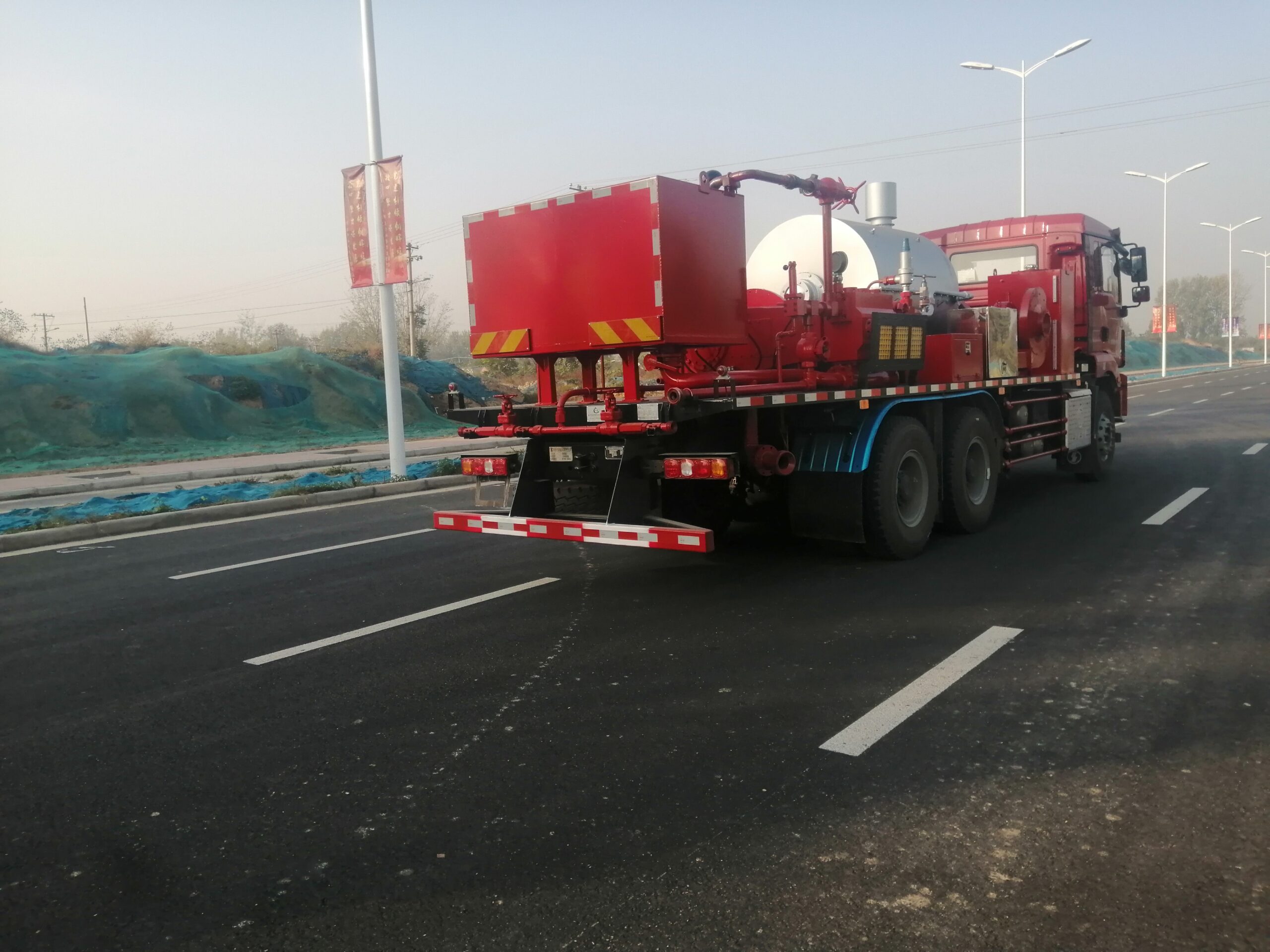
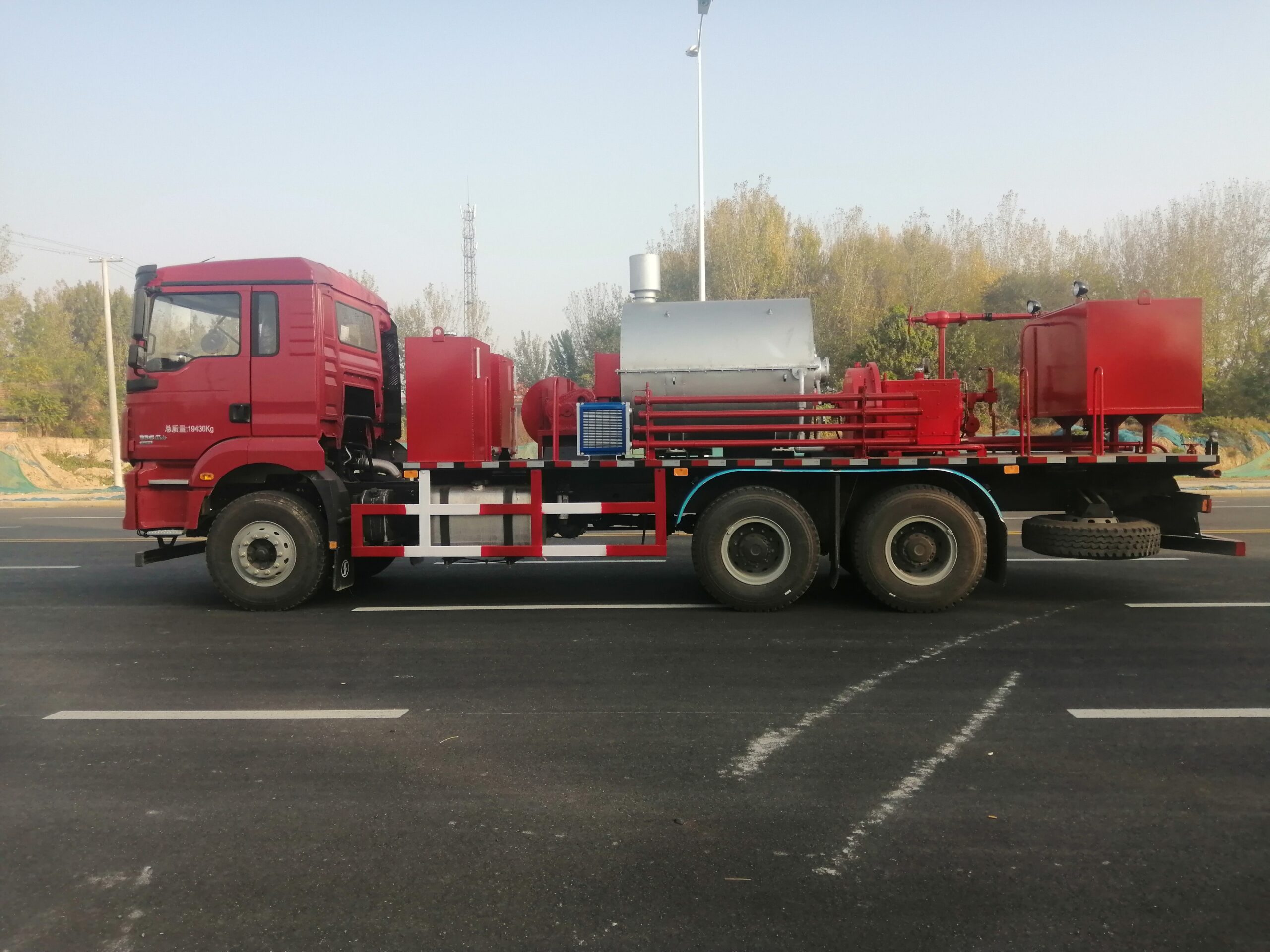
Apply the review to the offered oilfield nitrogen pumping truck
For a liquid-nitrogen arrangement, connect tank supply, cold-end performance, vaporizer duty and gas delivery in one review. A generated-gas arrangement has a different supply boundary and must be specified accordingly. Use the offered technology and document its pressure, rate and outlet-temperature limits.
- Maximum discharge pressure: record the project range and identify whether the value is measured, calculated or still provisional.
- Nitrogen rate: state the accepted limit and the equipment or process boundary to which it applies.
- Liquid or generated supply: include variation through the job instead of relying only on the normal operating value.
- Job duration: identify the responsible supplier or site team and the evidence needed before acceptance.
- Cold-end and material requirements: review the case that governs this requirement and retain its basis with the equipment records.
The complete package is intended for pressurizing and delivering nitrogen for well intervention, unloading, pressure testing and stimulation support. Confirm the scope of the cryogenic or gaseous nitrogen pump, vaporizer or heat exchanger, boost pressure controls, high-pressure discharge manifold against the selected duty. Use the specifications and sizing guide for the broader equipment requirements and the RFQ checklist to organize the supporting documents.
Questions about this equipment decision
Does unstable nitrogen delivery always mean cold-end wear?
No. Supply restrictions, phase change and conditioning issues can produce similar symptoms. Review supply conditions before concluding that parts need replacement.
What information helps review this oilfield nitrogen pumping truck requirement?
Provide approved sequence and time trend; inlet and output measurements; service history and inspection scope, together with the installed equipment identification and the proposed operating conditions.
References and project support
Oil and gas equipment safety resources provides additional background. For the equipment range and company information, visit Vance Petroleum. Share the relevant duty and records when requesting a project-specific review.