Separate standard gas volume from liquid inventory
Gas rate may be reported at standard or normal reference conditions, while the supply tank is described by liquid volume or mass. Record the reference temperature and pressure used in every conversion. Use the supplier’s approved property basis and usable inventory figure. Nominal tank volume includes space that may not represent deliverable liquid under operating conditions.
Build consumption from the job sequence
List purge, startup, unloading, hold periods and any contingency stage separately. Integrate rate over time for each stage rather than multiplying peak rate by a guessed duration. Include losses or reserves only with a stated basis. The well-service engineer should approve the operating schedule; the equipment calculation does not determine the correct well intervention program.
Plan the replenishment boundary
Compare usable supply with the time required to obtain and connect the next delivery. Check access restrictions, unloading arrangements and the responsibility for supply quality. Identify the condition at which the operation must be reduced or stopped before inventory becomes inadequate. A supply plan is incomplete if it specifies total quantity but omits when that quantity must be available.
Evidence to collect for this decision
| Condition | Review action | Useful evidence |
|---|---|---|
| Mixed flow units | Normalize the reference basis | Standard conditions and conversion method |
| Variable-rate job | Sum individual stage demand | Approved rate-time schedule |
| Remote delivery | Compare usable reserve with lead time | Replenishment and access plan |
Keep these observations with the equipment reference and operating conditions. When comparing proposals or service findings, check that each record describes the same configuration and duty. Resolve missing inputs with the responsible engineer before treating an estimate as an accepted operating limit.
Make the equipment boundary visible to both crews
A practical interface drawing identifies the supplier and owner responsibility at every process, utility and control connection. Show the equipment position and the space required for access, inspection and removal of service parts. State what arrives with the unit and what the receiving site must supply. Include any temporary equipment used only during a transition, because it can govern whether the planned sequence is workable.
Review the arrangement with the people who operate the connected systems. Agree how they recognize readiness, communicate a change and stop if the conditions are outside the approved plan. Keep the drawing and operating sequence consistent after field changes. A successful connection is more than matching fittings: the equipment must receive the required supply, deliver into an acceptable destination and respond coherently when either becomes unavailable. Record unresolved interfaces before they become assumptions made separately by two crews.
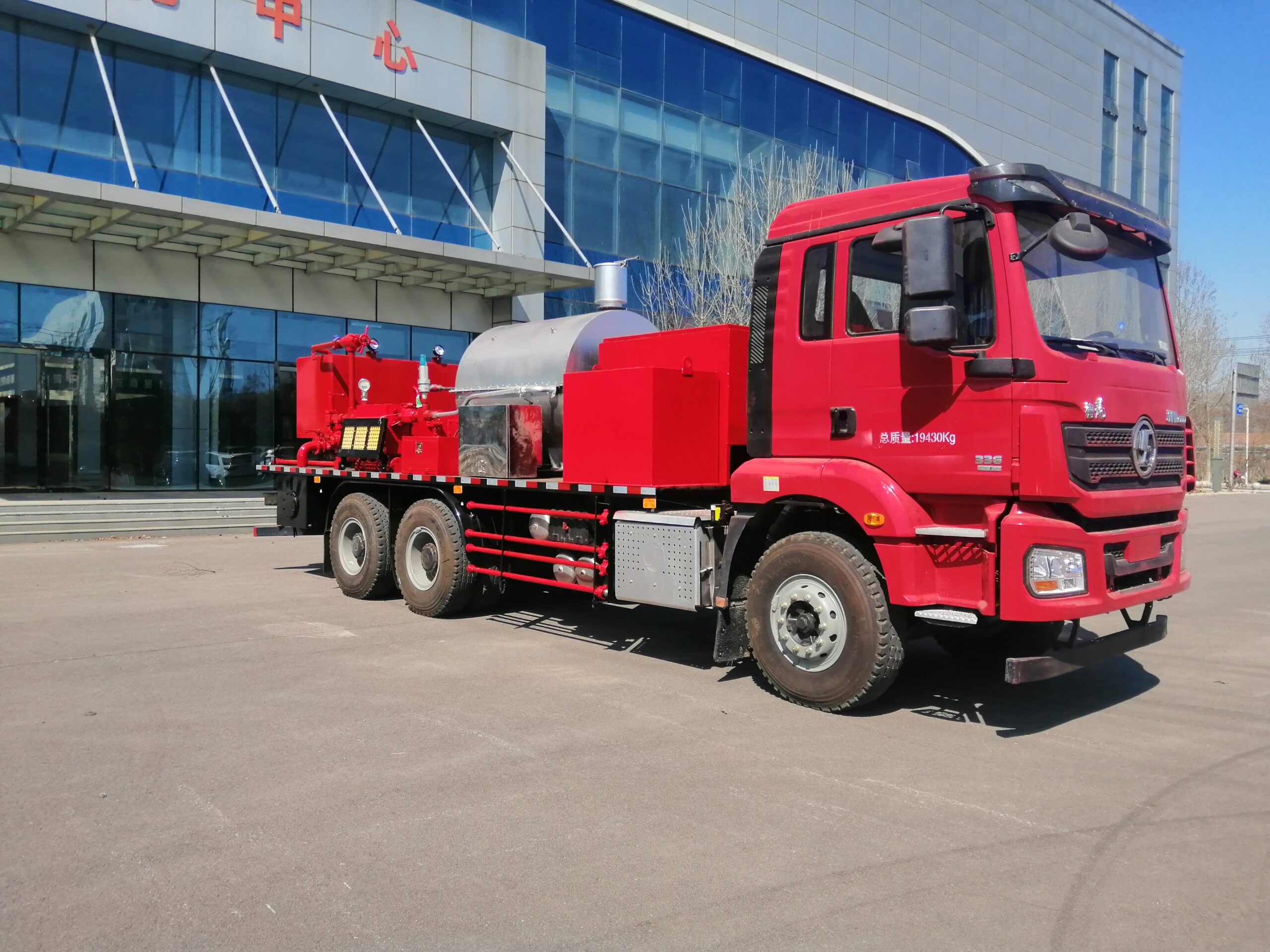
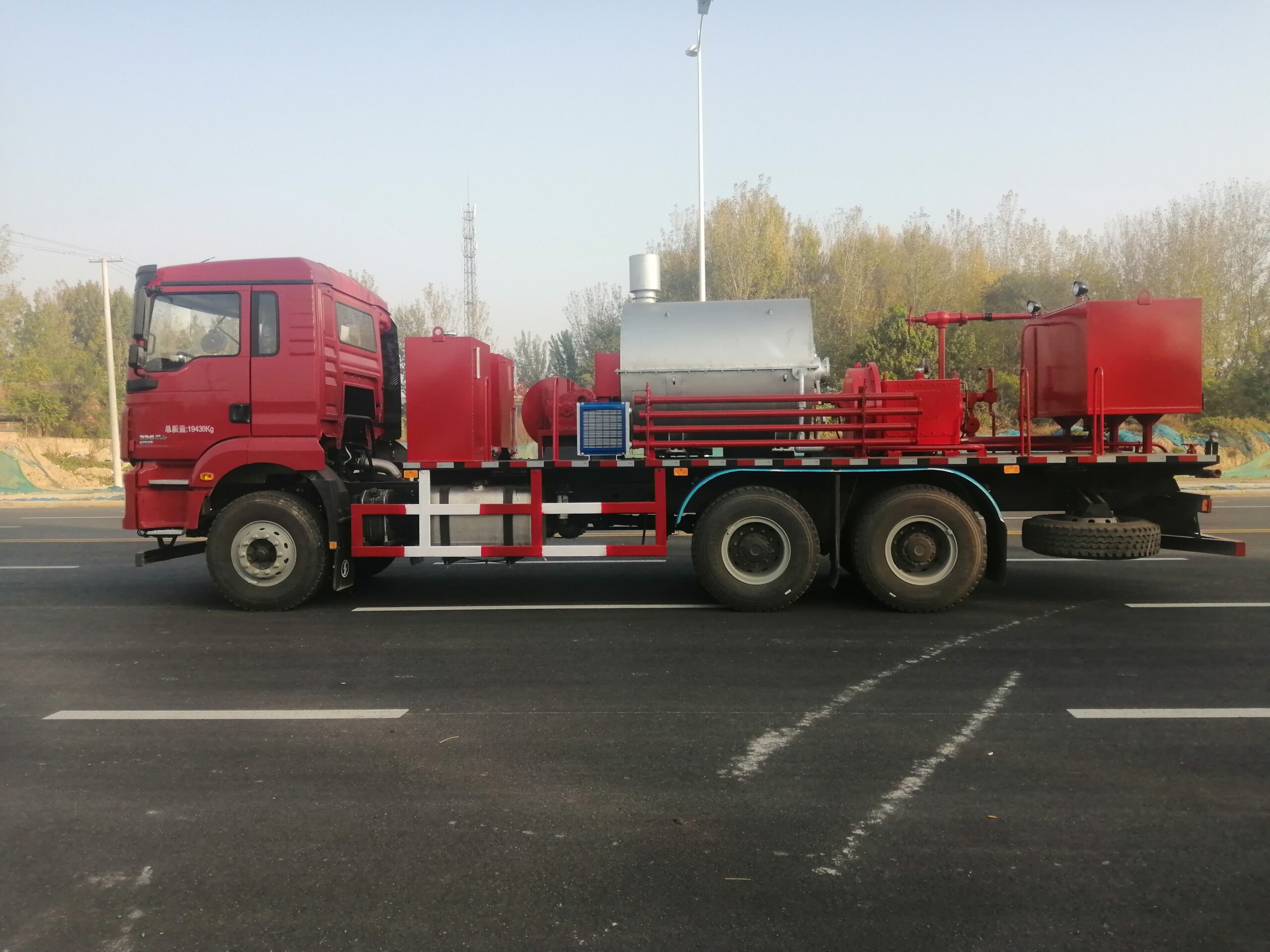
Apply the review to the offered oilfield nitrogen pumping truck
For a liquid-nitrogen arrangement, connect tank supply, cold-end performance, vaporizer duty and gas delivery in one review. A generated-gas arrangement has a different supply boundary and must be specified accordingly. Use the offered technology and document its pressure, rate and outlet-temperature limits.
- Maximum discharge pressure: record the project range and identify whether the value is measured, calculated or still provisional.
- Nitrogen rate: state the accepted limit and the equipment or process boundary to which it applies.
- Liquid or generated supply: include variation through the job instead of relying only on the normal operating value.
- Job duration: identify the responsible supplier or site team and the evidence needed before acceptance.
- Cold-end and material requirements: review the case that governs this requirement and retain its basis with the equipment records.
The complete package is intended for pressurizing and delivering nitrogen for well intervention, unloading, pressure testing and stimulation support. Confirm the scope of the cryogenic or gaseous nitrogen pump, vaporizer or heat exchanger, boost pressure controls, high-pressure discharge manifold against the selected duty. Use the specifications and sizing guide for the broader equipment requirements and the RFQ checklist to organize the supporting documents.
Questions about this equipment decision
Can nominal liquid tank capacity be treated as usable nitrogen supply?
No. The usable quantity and conversion to gas depend on the tank, operating conditions and agreed reference basis.
What information helps review this oilfield nitrogen pumping truck requirement?
Provide standard conditions and conversion method; approved rate-time schedule; replenishment and access plan, together with the installed equipment identification and the proposed operating conditions.
References and project support
Oil and gas field safety resources provides additional background. For the equipment range and company information, visit Vance Petroleum. Share the relevant duty and records when requesting a project-specific review.