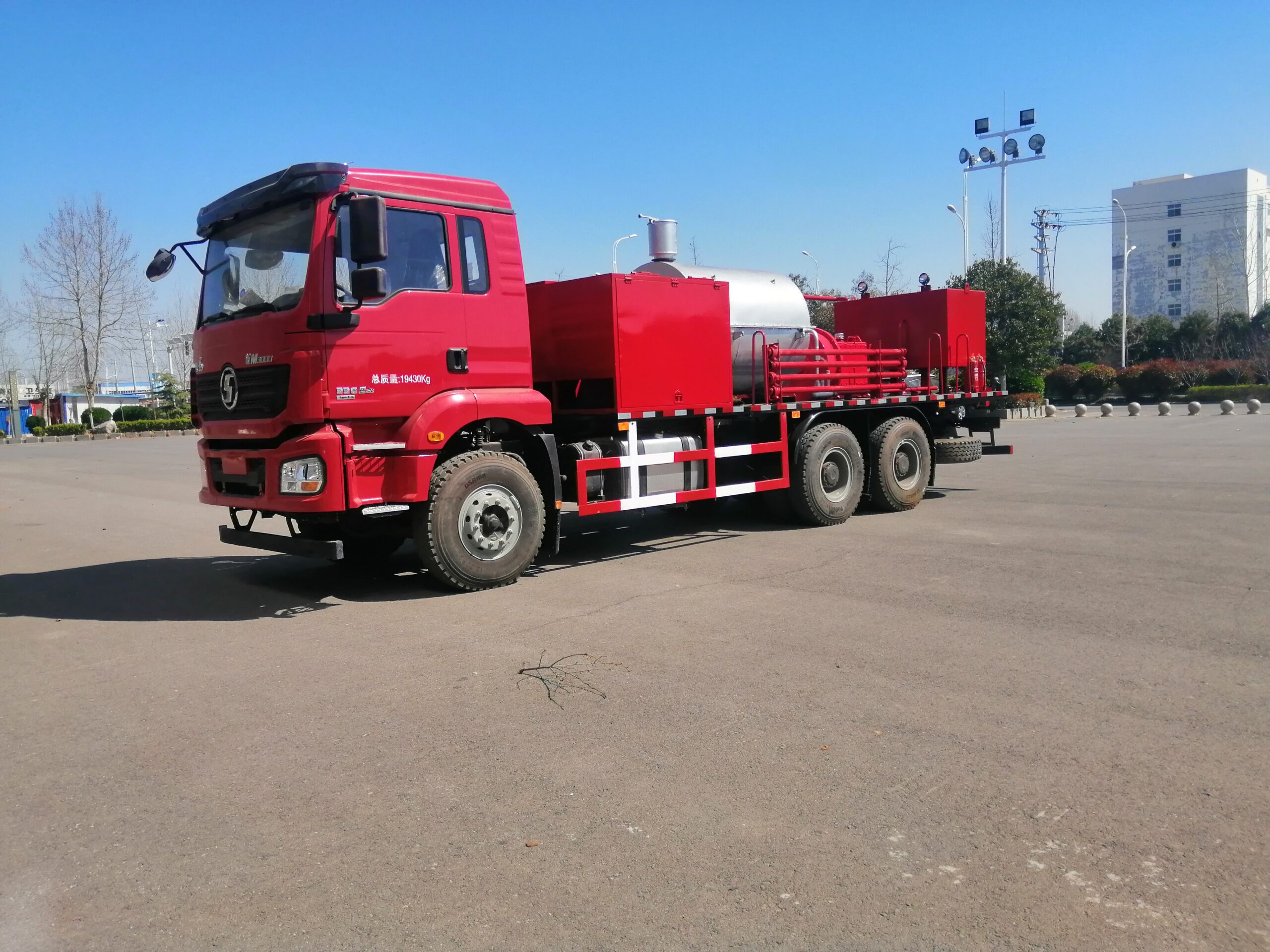
Specify conditions at the gas outlet
Provide nitrogen rate on a stated reference basis, discharge pressure and the required outlet temperature range. Liquid pump capacity alone does not describe the available gaseous output. The heat exchanger and heat source must be evaluated at the same operating point. Identify where temperature is measured and which component limits apply downstream of that point.
Evaluate heat availability over the job
Ambient heat exchange, engine heat or fired arrangements have different constraints. Request the offered system’s performance basis and limitations without assuming another design’s capability. Include extended operation, low ambient temperature and transitions between rates. A vaporizer that supports a brief demonstration may not maintain the required temperature over a long unloading program.
Define the response to inadequate heating
Review low-temperature detection and the approved reduction or shutdown sequence. The downstream piping and seals must be suitable for the temperatures they may encounter under the design basis. Keep instrument response and location part of the review. Do not compensate for an unexplained temperature decline by continuing at the same rate while relying on a distant gauge.
Evidence to collect for this decision
| Condition | Review action | Useful evidence |
|---|---|---|
| Peak nitrogen rate | Check simultaneous vaporizer duty | Rate, pressure and temperature guarantee basis |
| Extended operation | Review sustained heat availability | Duration and ambient case |
| Falling outlet temperature | Define protective response | Cause-and-effect and material limits |
Keep these observations with the equipment reference and operating conditions. When comparing proposals or service findings, check that each record describes the same configuration and duty. Resolve missing inputs with the responsible engineer before treating an estimate as an accepted operating limit.
Check the pump and connected system at the same duty
A pressure-pumping review should distinguish the process requirement from the limits of the installed equipment. The pump, driver, suction arrangement, discharge connections and receiving system must support the same operating case. Record fluid density, viscosity, temperature and solids where they influence the calculation. If a supplier curve assumes clean water, ask how the actual service changes the conclusion before accepting the proposed duty.
Compare a normal case with the most demanding credible case and any sustained low-rate operation. Identify which limit governs each result, rather than adding a general margin without explaining its purpose. Calculations and inspection findings should refer to the equipment configuration being supplied. Where an adjustment is needed, have the responsible engineer review the change and the manufacturer confirm the affected equipment limits. Field observations support that review; they do not authorize operation beyond a documented rating.
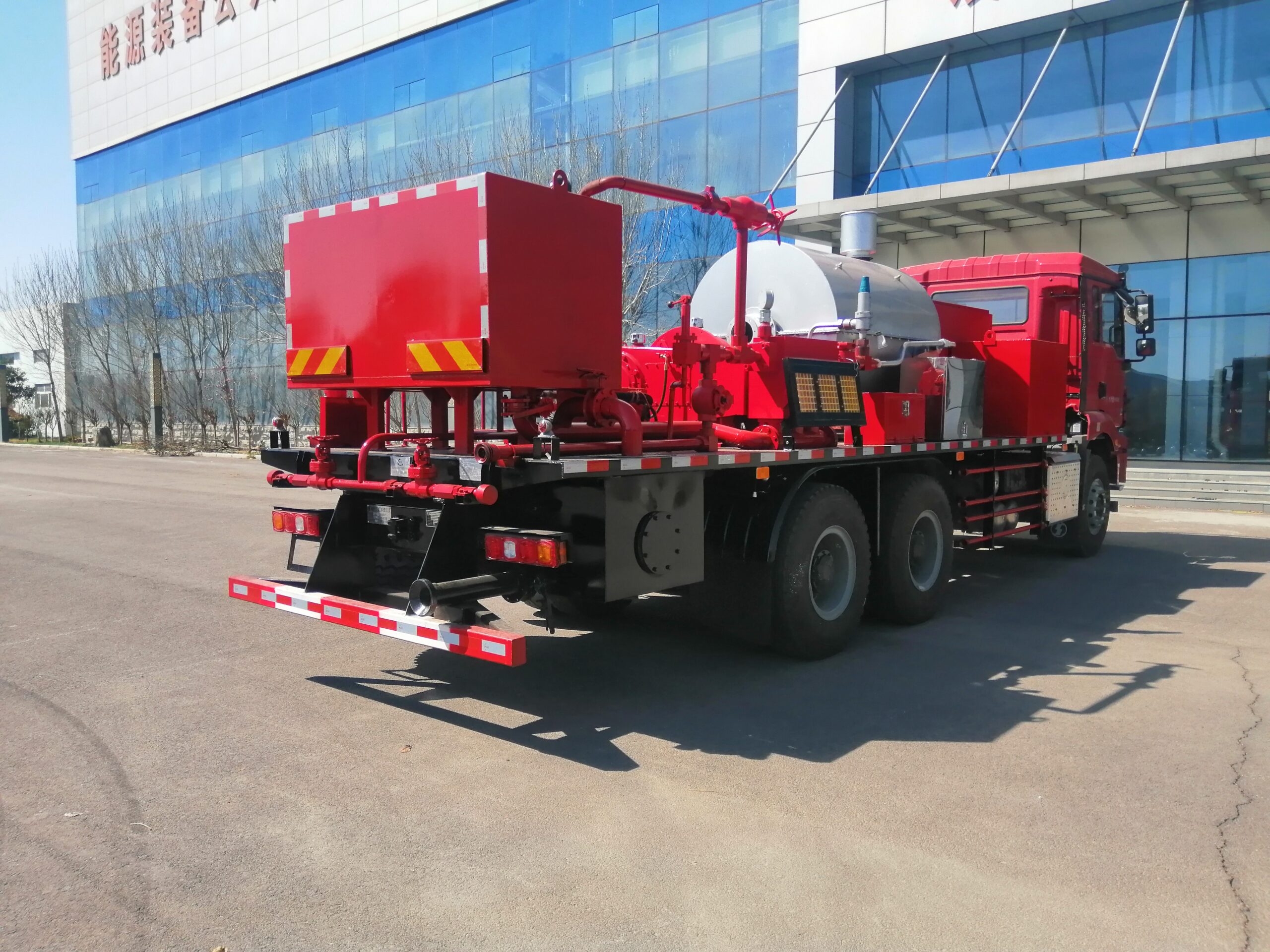
Apply the review to the offered oilfield nitrogen pumping truck
For a liquid-nitrogen arrangement, connect tank supply, cold-end performance, vaporizer duty and gas delivery in one review. A generated-gas arrangement has a different supply boundary and must be specified accordingly. Use the offered technology and document its pressure, rate and outlet-temperature limits.
- Maximum discharge pressure: record the project range and identify whether the value is measured, calculated or still provisional.
- Nitrogen rate: state the accepted limit and the equipment or process boundary to which it applies.
- Liquid or generated supply: include variation through the job instead of relying only on the normal operating value.
- Job duration: identify the responsible supplier or site team and the evidence needed before acceptance.
- Cold-end and material requirements: review the case that governs this requirement and retain its basis with the equipment records.
The complete package is intended for pressurizing and delivering nitrogen for well intervention, unloading, pressure testing and stimulation support. Confirm the scope of the cryogenic or gaseous nitrogen pump, vaporizer or heat exchanger, boost pressure controls, high-pressure discharge manifold against the selected duty. Use the specifications and sizing guide for the broader equipment requirements and the RFQ checklist to organize the supporting documents.
Questions about this equipment decision
Does the liquid pump rating establish the nitrogen gas delivery capacity?
No. Vaporization and heating capacity, supply conditions and downstream limits also govern usable gas delivery.
What information helps review this oilfield nitrogen pumping truck requirement?
Provide rate, pressure and temperature guarantee basis; duration and ambient case; cause-and-effect and material limits, together with the installed equipment identification and the proposed operating conditions.
References and project support
Oil and gas extraction safety resources provides additional background. For the equipment range and company information, visit Vance Petroleum. Share the relevant duty and records when requesting a project-specific review.