State the thermal duty at the gas connection
Provide the required nitrogen rate, pressure, outlet-temperature range and operating duration together. Include the starting and changing conditions that matter to the job. The supplier should identify the inlet assumptions and the boundary at which output is stated. A vaporizer sized from gas rate alone may not describe the full requirement. Keep heat-source capability distinct from useful heat transferred to the nitrogen so the purchasing team compares equivalent figures when reviewing different thermal architectures.
Ask what the proposed heat source depends on
An ambient arrangement depends on its design and environmental conditions; another proposal may use a burner, electrical supply or a heat-transfer circuit. Ask which resources establish the quoted output and whether those resources remain available at the required duty. Do not assume that an option offered in a stationary installation can be installed unchanged on a truck. Request the equipment-specific selection and identify which thermal arrangements the supplier can actually support for the proposed mobile package.
Review the effect of sustained operation
Request continuous-duty assumptions, expected operating restrictions and any arrangements required to maintain output through the campaign. Ask how the proposed design addresses changes in available heat and the environmental conditions used for selection. A favorable short demonstration does not establish sustained temperature at the required rate. The existing vaporizer-duty guide explains the operating relationship; this purchasing review should identify the equipment, heat source and supporting services necessary to make the quoted thermal performance available in the delivered unit.
Compare installation and service scope
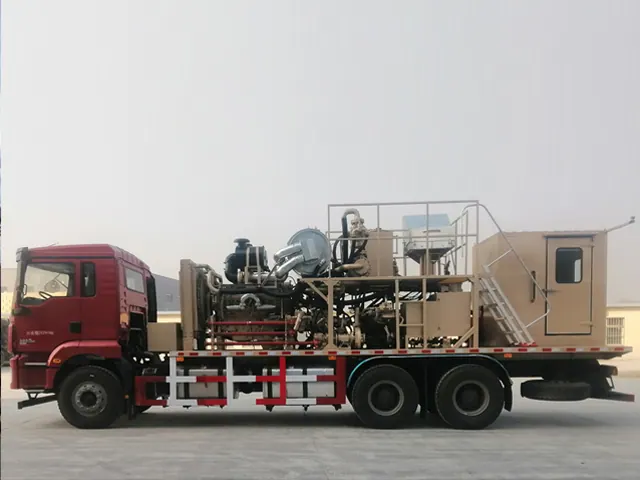
Include fuel or electrical connections, heat-transfer equipment, controls, exhaust where applicable, inspection access and the effect on truck layout. A thermal option can affect payload, space for storage and maintenance work. Ask for a complete equipment schedule rather than comparing only heat-exchanger prices. Review the destination’s site requirements with the responsible team and identify the supporting records needed for the selected arrangement. A familiar heat-source label does not establish suitability for the intended operating area or the particular installation.
Demonstrate a defined thermal operating point
Agree which pressure, rate and temperature cases will be demonstrated and how the test will record the source conditions. Identify any factory limitations and the assessment needed to relate them to the site. Compare useful performance and resource demand on the same basis. Choose the option whose complete thermal duty can be supported in the campaign, not one with a low accessory price that depends on an unavailable site heat source or an environmental assumption absent from the enquiry.
Keep the heat-source option separate in the commercial offer
Ask for an itemized comparison of the thermal alternatives that are technically suitable for the job. Include the controls, auxiliaries, installation mass and recurring resources associated with each. If a heat-recovery proposal relies on another engine or process, request the available heat at the actual pumping condition rather than its highest theoretical output. This reveals whether the option remains useful during low load or intermittent service and gives the buyer a basis for comparing acquisition cost with the supported operating envelope.
Put these items side by side in the bid review
| Purchase item | Question to resolve | Evidence to request |
|---|---|---|
| Useful output | Pressure, rate and temperature together | Thermal selection basis |
| Heat source | Resource and environmental dependencies | Installed source and auxiliary schedule |
| Sustained duty | Duration and operating restrictions | Representative performance evidence |
Suggested wording for the quotation request
Quote suitable vaporizer alternatives for the attached nitrogen delivery cases. Identify heat-source dependencies, useful output, ambient assumptions, installation mass, auxiliary demand and continuous-duty restrictions. Show the complete included scope and the conditions proposed for the thermal performance demonstration.
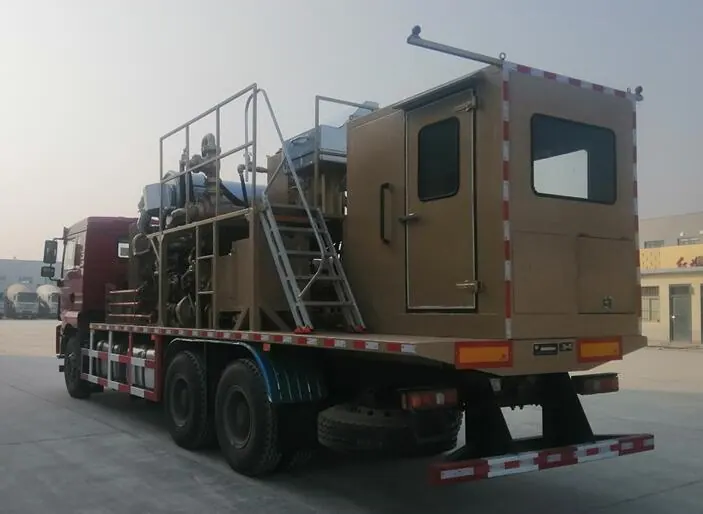
Keep the decision tied to the complete oilfield nitrogen pumping truck: nitrogen source, cold end, vaporizer, drive, delivery controls and the defined customer interfaces. A component option should not quietly change the agreed nitrogen delivery duty or move essential equipment outside the price. Ask the supplier to identify assumptions, exclusions and deviations in the written offer, then resolve them with the responsible engineering and purchasing teams. Use the approved equipment documentation and site procedures for setup, testing and operation.
For the wider equipment scope, consult the Nitrogen Pumper Vaporizers: Matching Rate and Temperature. Use the RFQ checklist to collect the supporting documents before requesting a configuration-specific quotation.
Buyer questions
Is an ambient vaporizer suitable for every truck duty?
No. The selected design must be assessed against rate, pressure, temperature, duration and environmental conditions.
Does burner input establish useful nitrogen-heating output?
Not by itself. Ask for the useful output and the selection or test conditions for the complete proposed system.
Background and supplier contact
Cryogenic vaporizer technologies offers related background, not certification of the equipment in a quotation. Applicability must be checked for the project and destination.
Explore the oilfield nitrogen pumping truck, browse all technical resources, or visit Vance Petroleum for company information. Request a nitrogen truck proposal with the relevant delivery cases and site requirements.