Define several delivery cases
Record normal injection, the most demanding pressure case, low-rate work and any changing output required during the campaign. Specify the measurement location and the permitted temperature range at that location. State the gas-volume reference conditions rather than leaving standard or normal volume undefined. The well or process engineer establishes the required operating limits; the equipment supplier should show how the proposed truck covers those requirements. Keep preliminary estimates distinguishable from the agreed cases used to confirm the order.
Request the installed performance envelope
Ask for delivered gas rate at each required pressure and temperature, with the installed pump and vaporizer identified. A maximum pump rate may not be available at the maximum pressure or under the same heating conditions. Record any changes of cold end, drive setting or installed equipment needed between cases. If a supplier presents several ratings on one sheet, ask which belong to the actual configuration offered. Compare complete operating combinations rather than assembling an apparent capability from unrelated catalogue limits.
Review the constraints on sustained output
The liquid supply condition, drive power, vaporizer heat input and downstream restrictions can each affect the useful delivery envelope. Request the assumptions governing the quoted continuous duty and the environmental conditions used in selection. Identify whether a demonstration represents a brief peak or sustained operation. A short pressure achievement does not establish that the package can deliver the required gas rate and temperature throughout a job. Ask the supplier to explain which component or resource governs each case in the bid table.
Align units before ranking the offers
Different gas-volume reference temperatures or pressures can change the meaning of two similarly labelled figures. Ask the responsible engineer to put the bids on an agreed basis, including the treatment of composition where relevant. Keep liquid consumption separate from gaseous delivery volume. A commercial team should not use an assumed universal conversion to decide that one package is larger. Retain original supplier units alongside the agreed comparison basis so the source of each value remains traceable during clarification and acceptance.
Agree on evidence for the selected cases
The proposed acceptance record should identify equipment references, measurement locations, instruments, supply conditions and test duration. Where the factory cannot reproduce a site condition, record the difference and the supporting assessment rather than silently treating the trial as identical to field service. Use the verified envelope to evaluate required options and price. Purchasing unused pressure capability does not resolve a shortfall in gas rate, and buying a larger pump does not remove a heating constraint that remains elsewhere in the package.
Keep a configuration column next to every output figure
Require the bid worksheet to identify the pump, drive and vaporizer configuration used for each operating case. If the supplier changes equipment to reach a second rating, show the conversion cost, parts and practical implications next to that rating. The buyer can then decide whether the change fits the intended work schedule. This prevents a single headline capacity from concealing a choice between configurations that cannot be used simultaneously, while giving the supplier a clear way to explain a technically suitable alternative.
Put these items side by side in the bid review
| Purchase item | Question to resolve | Evidence to request |
|---|---|---|
| Operating point | Pressure, gas rate and temperature together | Installed performance table |
| Volume basis | Defined reference conditions | Units and conversion assumptions |
| Continuous duty | Limits through the required duration | Test and engineering evidence |
Suggested wording for the quotation request
Quote the attached nitrogen delivery cases on one defined volume basis. For each case, state simultaneous pressure, rate, outlet temperature, duration and installed configuration. Identify supply and ambient assumptions, limiting components and any equipment changes required between cases, with the proposed acceptance evidence.
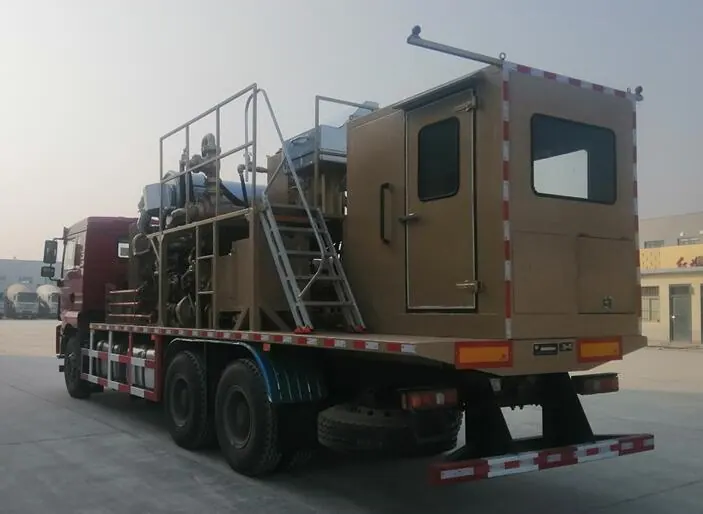
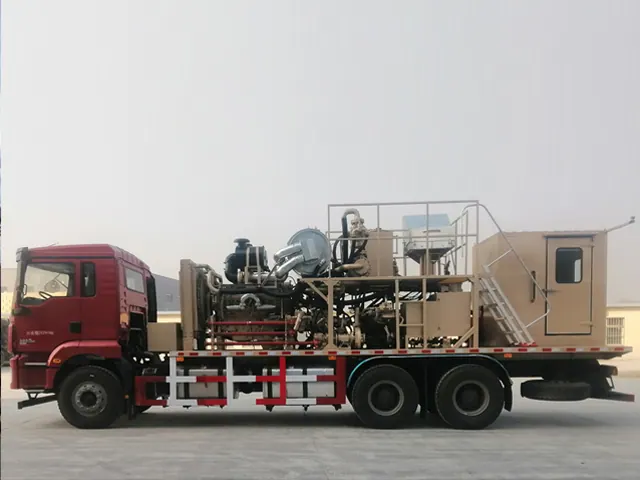
Keep the decision tied to the complete oilfield nitrogen pumping truck: nitrogen source, cold end, vaporizer, drive, delivery controls and the defined customer interfaces. A component option should not quietly change the agreed nitrogen delivery duty or move essential equipment outside the price. Ask the supplier to identify assumptions, exclusions and deviations in the written offer, then resolve them with the responsible engineering and purchasing teams. Use the approved equipment documentation and site procedures for setup, testing and operation.
For the wider equipment scope, consult the Oilfield Nitrogen Pumping Truck: Specs and Sizing. Use the RFQ checklist to collect the supporting documents before requesting a configuration-specific quotation.
Buyer questions
Can maximum pressure and maximum rate be combined automatically?
No. Ask whether the installed pump, drive and vaporizer support that combination at the required outlet temperature and duration.
Are two normal-volume ratings always directly comparable?
No. Confirm the reference conditions and relevant gas specification before comparing or converting the stated rates.
Background and supplier contact
EIGA industrial-gas publications offers related background, not certification of the equipment in a quotation. Applicability must be checked for the project and destination.
Explore the oilfield nitrogen pumping truck, browse all technical resources, or visit Vance Petroleum for company information. Request a nitrogen truck proposal with the relevant delivery cases and site requirements.