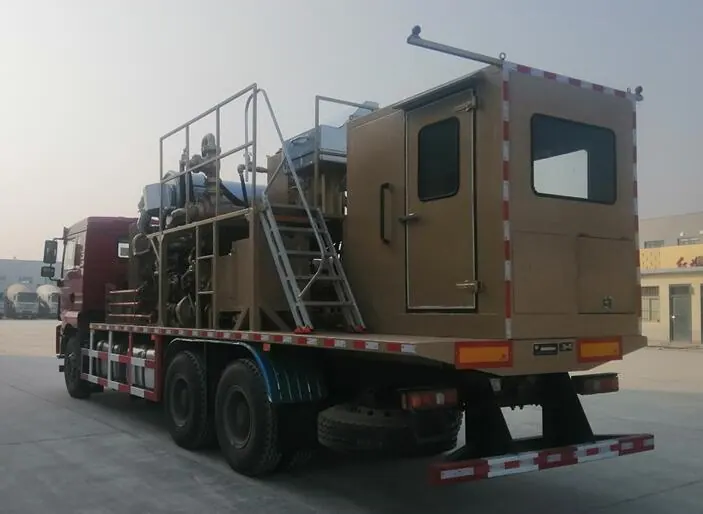
Distinguish nominal capacity from usable inventory
Ask the vessel and equipment suppliers to define the volume terms used in their offer and the permitted operating or filling conditions that apply. Relate usable inventory to the required gas-delivery schedule using an agreed calculation basis. Keep retained inventory, campaign consumption and replenishment assumptions separate. The existing consumption guide helps estimate demand; this purchase decision concerns the actual storage package needed to support it. A shell-capacity figure alone is insufficient to establish the period for which the truck can support the planned work.
Include the source and delivery schedule
Identify where liquid nitrogen is available, how frequently it can be delivered and whether the site can accommodate the proposed supply arrangement. A truck working near reliable supply may need a different inventory strategy from one on a remote campaign. Include travel and waiting periods in the schedule. Do not assume that the full nominal amount is available at every job start. Ask the suppliers to state the inventory and replenishment assumptions used to justify the offered tank size and supporting transfer equipment.
Review the complete installed mass
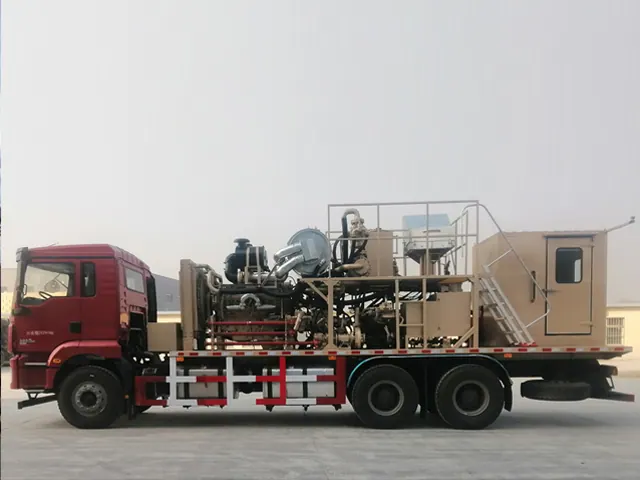
The storage vessel is only one contributor to vehicle loading. Include the pump, vaporizer, drive, fuel, connections, tools, operators and ordered accessories in the agreed travel case. Ask for the basis of the quoted empty mass and the installation revision it describes. An early calculation without the final thermal package or hose set is not a complete ready-to-travel configuration. If tank options are compared, request a mass and layout review for each one rather than scaling the tank capacity while leaving every other installation assumption unchanged.
Check individual axles and destination approval
Request the axle-load calculation and the vehicle loading schedule for the agreed configuration. Total mass does not identify an overloaded axle or establish road eligibility at the destination. The responsible transport and registration specialists should review the actual vehicle and vessel documentation. Avoid selecting a tank purely from a brochure’s largest available option. Ask the supplier to identify how the chosen capacity affects access, remaining payload and service clearances, particularly when the campaign requires additional tools or spare equipment to travel on the truck.
Keep vessel records linked to the supplied unit
Request identification, design and inspection documentation appropriate to the ordered storage vessel and destination. Confirm how the final equipment records identify the installed vessel and its permitted service. If a late tank substitution is proposed, review its documentation, mounting and loading effects before approval. The purchaser needs a coherent package rather than separate attractive numbers for tank volume and truck capacity. Choose the inventory that can be supported by the supply chain and transported within the accepted configuration of the actual truck.
Ask whether the larger tank displaces something essential
A higher-capacity vessel may change the location or availability of fuel storage, service access, connection equipment or initial spares. Request the revised installation drawing rather than assuming the larger tank occupies otherwise unused space. Compare the complete working arrangement with a smaller tank supported by external supply, including the extra mobilization resources that option requires. Keeping these trade-offs visible helps avoid a purchase in which the headline inventory improves while the practical equipment or route capability needed by the campaign is reduced.
Put these items side by side in the bid review
| Purchase item | Question to resolve | Evidence to request |
|---|---|---|
| Inventory | Usable quantity and replenishment assumptions | Vessel basis and supply schedule |
| Loading | Full operating equipment during travel | Mass and axle-load calculations |
| Records | The actual installed vessel | Identification and destination documentation |
Suggested wording for the quotation request
Quote the proposed LN2 storage options with clearly defined nominal and usable capacities. Provide vessel references, inventory assumptions, installed mass and axle-load calculations for the complete truck. Identify changes to equipment layout, route eligibility and the external supply support needed for each option.
Keep the decision tied to the complete oilfield nitrogen pumping truck: nitrogen source, cold end, vaporizer, drive, delivery controls and the defined customer interfaces. A component option should not quietly change the agreed nitrogen delivery duty or move essential equipment outside the price. Ask the supplier to identify assumptions, exclusions and deviations in the written offer, then resolve them with the responsible engineering and purchasing teams. Use the approved equipment documentation and site procedures for setup, testing and operation.
For the wider equipment scope, consult the Nitrogen Pumping Consumption: Estimating Job Supply. Use the RFQ checklist to collect the supporting documents before requesting a configuration-specific quotation.
Buyer questions
Can nominal tank volume be used as job autonomy?
Not directly. Define usable inventory and the operating, supply and consumption assumptions before estimating the supported job duration.
Does a legal total mass establish acceptable axle loading?
No. The individual axle loads and destination requirements also need review for the complete configuration.
Background and supplier contact
EIGA industrial-gas publications offers related background, not certification of the equipment in a quotation. Applicability must be checked for the project and destination.
Explore the oilfield nitrogen pumping truck, browse all technical resources, or visit Vance Petroleum for company information. Request a nitrogen truck proposal with the relevant delivery cases and site requirements.