Separate the nitrogen source from the delivery duty
Describe the required gas pressure, rate, quality and operating schedule at the customer connection. Then identify how nitrogen reaches that point. A liquid-fed package normally needs an appropriate liquid source, pumping and vaporization arrangement. A generation-based proposal needs its own production and compression scope. A shared discharge-pressure headline does not make these architectures equivalent. Ask each supplier to draw the complete process and mark the boundary between its equipment and the services provided by the operator.
Compare supply logistics for the actual campaign
For liquid supply, review delivery access, available receiving arrangements and the replenishment plan with the gas supplier. For generation, review the air, power, environmental and maintenance requirements of the proposed equipment. Identify how demand changes through a shift and which resources must remain available during standby. A supply route that suits a permanent installation may not suit a truck moving repeatedly between wells. Put the same campaign schedule into both enquiries instead of comparing one package at ideal utilization with another at intermittent duty.
Keep gas quality and output conditions together
Specify the required nitrogen composition, relevant impurities and the reference conditions used to state gas rate. Ask the supplier to explain the delivered quality across the proposed output range. Do not infer that a generation package provides the same gas specification as purchased liquid nitrogen, or that a supply certificate alone proves the condition after downstream handling. The technical comparison should identify where each requirement is established and measured, with responsibility assigned for every stage needed to meet the customer connection specification.
Include all supporting equipment in the price
List storage, vaporization, compressors or boosters, cooling, power, instruments and connections as applicable to each architecture. Identify equipment shared with the site and whether it is available when the truck is required. A smaller quoted module can hide a substantial supporting installation. Compare transport mass, occupied space and the number of separate items that must be mobilized. The price review becomes useful when it describes two complete ways of performing the same job rather than two different collections of equipment bearing a nitrogen label.
Ask for a defined supply-interruption case
Describe the continuity the campaign needs and ask what the package can deliver if its normal upstream resource becomes unavailable. Record whether storage, spare capacity or an alternative supply is included, without assuming any of them provides unlimited backup. Keep the proposed recovery process within the approved operating procedures. Select the arrangement whose delivery capability and dependencies fit the site, then retain the supplier assumptions with the equipment order so later changes in campaign location or demand trigger a review of the supply basis.
Compare the same boundary in the final bid sheet
One proposal may stop at produced nitrogen, while another includes the equipment required to deliver gas at the wellsite connection. Require both suppliers to identify that difference explicitly. If an additional compressor or liquid supply vehicle is necessary, include its cost, transport and operating support in the comparison. The preferred architecture should be justified by the campaign requirements, including periods of low utilization. Avoid treating an advertised supply cost per unit of gas as a complete ownership comparison when the installed boundaries and quality requirements differ.
Put these items side by side in the bid review
| Purchase item | Question to resolve | Evidence to request |
|---|---|---|
| Gas delivery | Pressure, rate and quality at the connection | Common duty specification |
| Upstream supply | Liquid deliveries or generation utilities | Source and support diagram |
| Complete scope | Storage, compression and vaporization | Priced equipment boundaries |
Suggested wording for the quotation request
Provide a complete nitrogen-supply proposal for the attached delivery duty. Identify the source architecture, required utilities, gas-quality basis, supporting equipment and interruptions considered. Separate included scope from site-supplied resources so liquid-fed and generation-based alternatives can be compared at the same connection.
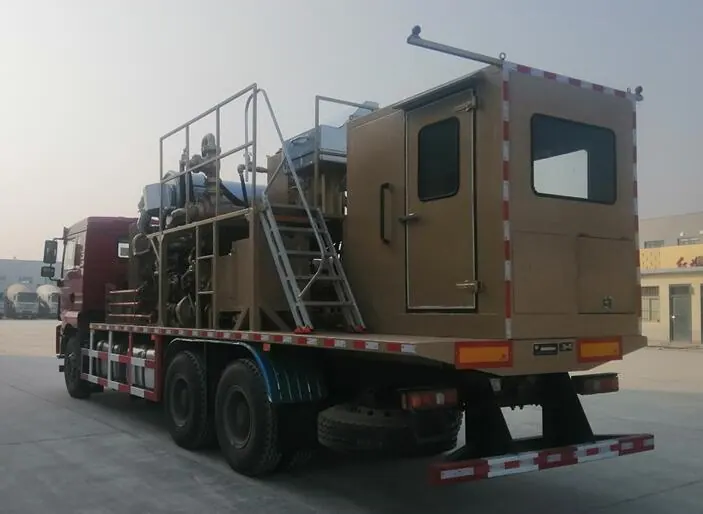
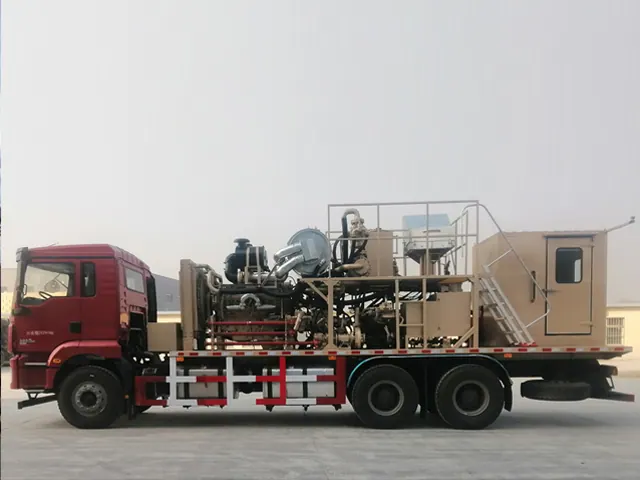
Keep the decision tied to the complete oilfield nitrogen pumping truck: nitrogen source, cold end, vaporizer, drive, delivery controls and the defined customer interfaces. A component option should not quietly change the agreed nitrogen delivery duty or move essential equipment outside the price. Ask the supplier to identify assumptions, exclusions and deviations in the written offer, then resolve them with the responsible engineering and purchasing teams. Use the approved equipment documentation and site procedures for setup, testing and operation.
For the wider equipment scope, consult the Oilfield Nitrogen Pumping Truck: Configuration Guide. Use the RFQ checklist to collect the supporting documents before requesting a configuration-specific quotation.
Buyer questions
Is a nitrogen generator the same equipment as a liquid-nitrogen pumper?
No. Their supply and process arrangements differ. Compare the complete equipment needed to meet the same delivered-gas duty.
Can the choice be made from nitrogen price alone?
No. Include quality, output, utilization, logistics, utilities and the supporting equipment in the commercial review.
Background and supplier contact
EIGA industrial-gas publications offers related background, not certification of the equipment in a quotation. Applicability must be checked for the project and destination.
Explore the oilfield nitrogen pumping truck, browse all technical resources, or visit Vance Petroleum for company information. Request a nitrogen truck proposal with the relevant delivery cases and site requirements.