Separate startup items from campaign contingencies
Ask the supplier to classify initial consumables, routine-service parts and replacements intended for a significant interruption. The three groups solve different problems and should not be combined into an unexplained allowance. Base the selection on the campaign schedule, nitrogen supply conditions and approved maintenance plan. A long list is not automatically useful if most items support another cold-end variant or if the campaign-critical assembly remains unavailable. Request the reasoning for the proposed stock rather than treating a percentage of truck price as a technical specification.
Identify the exact installed assemblies
The list should reference the cold end, drive, thermal equipment, valves and control components fitted to the ordered unit. Where material or configuration variants affect fit, make them explicit. Ask for the relevant illustrated references or component schedules so the receiving team can reconcile the shipment. A generic description such as cryogenic seal kit is not sufficient identification. The buyer needs to reorder the correct item after delivery without relying on a photograph, a remembered sales description or the assumption that every pump from one supplier uses the same internal parts.
Match the replacement strategy to qualified support
Identify which work belongs to the approved field-maintenance scope and which needs specialist facilities, tools or personnel. A complete assembly may be appropriate where internal repair is impractical, while loose parts may be useful where the required capability exists. Ask about handling, preservation and documentation for the recommended replacements. Do not interpret an included spare as authorization for unqualified cryogenic equipment work. Procurement should purchase a supportable repair route, with responsibility and resources identified, rather than a collection of components that cannot be used effectively at the destination.
Review lead time and storage together
Request indicative replenishment times and identify whether parts are stocked or made to order for the selected configuration. Compare those times with the campaign location and logistics. Ask about shelf-life, storage and periodic checks where applicable to the items. Excess stock can deteriorate or become obsolete after a component change. A useful initial package balances interruption exposure with the practical ability to preserve and replenish the inventory. Keep any claimed availability conditional on the supplier’s stated basis rather than assuming worldwide immediate stock from a general support promise.
Reconcile the package after final equipment changes
Review the parts list again when the cold end, drive, vaporizer or controls are substituted during procurement. Match the final references and quantities to the packing list and equipment records. Agree how incorrect or missing items will be resolved and identify the support contact. Use operating experience to refine later replenishment rather than claiming the initial package guarantees a fixed trouble-free campaign. Traceable parts and a usable repair route provide a stronger purchasing basis than an extensive unverified list copied from another nitrogen unit.
Ask the supplier to walk through one cold-end replacement scenario
Choose a component relevant to the actual offered cold end and follow the identification, diagnosis, authorization, parts and service route. Establish what the destination team can do under the approved maintenance scope and which steps require specialist support. Include tools and transport assumptions in the commercial review. This exercise can reveal a practical support gap even when the initial spare inventory looks generous, and it helps prevent the buyer from paying for internal parts that do not match the available repair capability.
Put these items side by side in the bid review
| Purchase item | Question to resolve | Evidence to request |
|---|---|---|
| Configuration | Exact cold-end and auxiliary references | Assembly-linked parts schedule |
| Repair route | Skills, tools and replacement approach | Approved service responsibility |
| Availability | Lead time and preservation | Replenishment and storage basis |
Suggested wording for the quotation request
Submit separate startup, routine-service and campaign-contingency spare lists for the final nitrogen truck. Identify part and assembly references, quantities, preservation requirements, indicative lead times and special tools. Explain the qualified repair route supported by the package and revise the list after any equipment substitution.
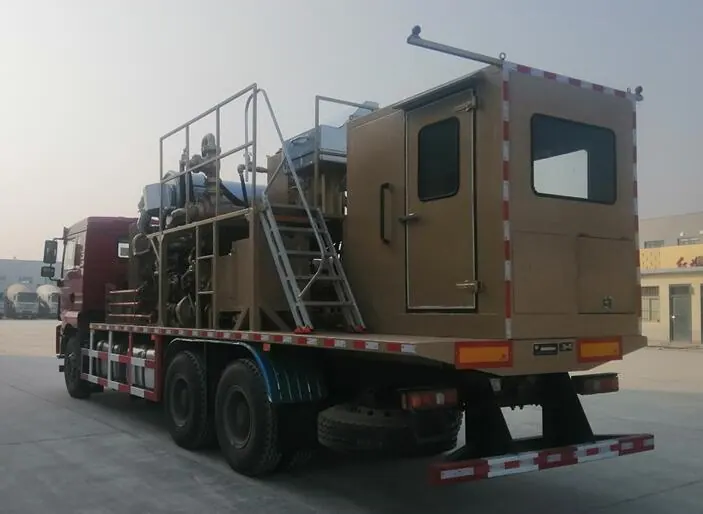
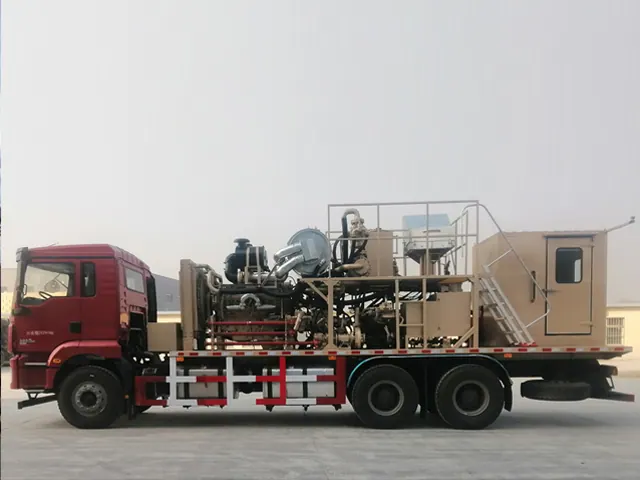
Keep the decision tied to the complete oilfield nitrogen pumping truck: nitrogen source, cold end, vaporizer, drive, delivery controls and the defined customer interfaces. A component option should not quietly change the agreed nitrogen delivery duty or move essential equipment outside the price. Ask the supplier to identify assumptions, exclusions and deviations in the written offer, then resolve them with the responsible engineering and purchasing teams. Use the approved equipment documentation and site procedures for setup, testing and operation.
For the wider equipment scope, consult the Oilfield Nitrogen Pumping Truck: Maintenance Guide. Use the RFQ checklist to collect the supporting documents before requesting a configuration-specific quotation.
Buyer questions
Does a generic cryogenic spare kit fit every cold end?
No. Confirm the exact assembly and configuration references, including relevant material or component variants.
Are individual internal parts always better value than an assembly?
The useful choice depends on qualified repair capability, required tools, replacement time and the campaign support arrangement.
Background and supplier contact
EIGA industrial-gas publications offers related background, not certification of the equipment in a quotation. Applicability must be checked for the project and destination.
Explore the oilfield nitrogen pumping truck, browse all technical resources, or visit Vance Petroleum for company information. Request a nitrogen truck proposal with the relevant delivery cases and site requirements.