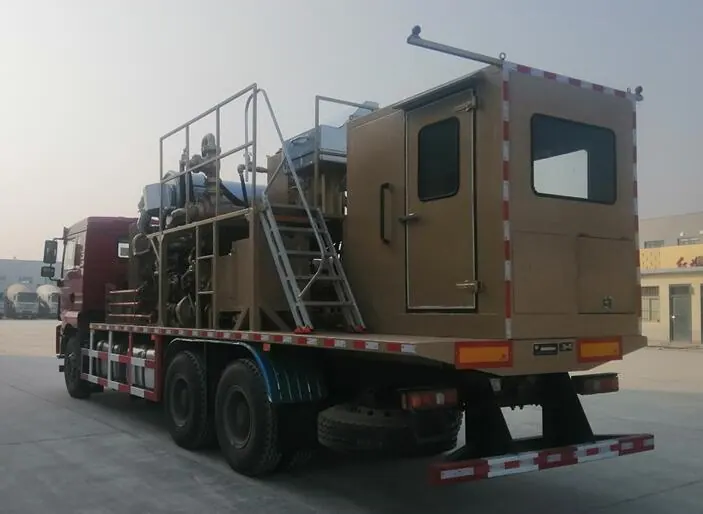
Separate the systems and responsible suppliers
List the chassis, drive, cold end, vessel, vaporizer, controls and supplied connection equipment. Ask which party supports each system and who coordinates a fault involving an interface. A single sales contact does not establish identical terms for every installed component. Request the actual proposed coverage, start event and relevant conditions. Compare offers on the same boundaries so a longer calendar period is not treated as better support while major systems or the practical means of obtaining a remedy remain outside the stated scope.
Review conditions against the intended service
Check how the proposed terms address duty, liquid supply conditions, maintenance, wear items, storage and modifications. Resolve any difference between the enquiry and assumptions in the offer before purchase. The buyer should know which records it must retain and which work requires authorized specialist support. Do not infer that an included spare part or a general training session permits every repair. The actual warranty and service terms should be reviewed appropriately for the order, with exclusions understood in the context of the campaign rather than read only after a fault occurs.
Define the handover documents and access
Request equipment identification, drawings, operating and maintenance documents, inspection and test records, parts references and relevant software or configuration information. Identify language requirements and any access or licensing conditions. The records should describe the delivered revision, including substituted components and agreed deviations. A generic manual for a product family may not provide the information needed to support the actual nitrogen truck. Ask how missing or corrected documents will be resolved before acceptance so the operating team receives a coherent package rather than several unrelated catalogues.
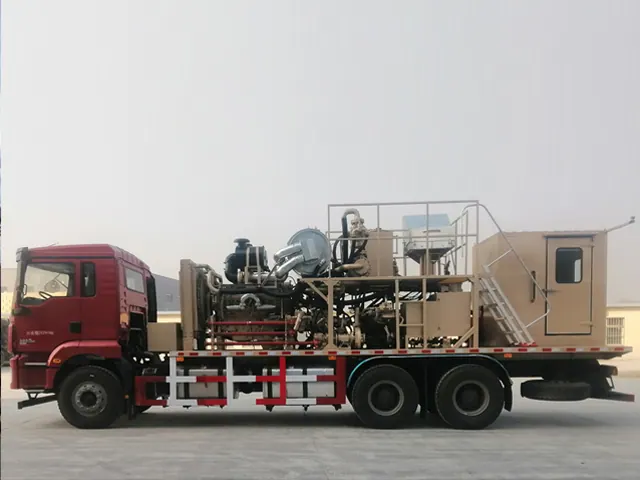
Describe the practical service process
Ask how a case is opened, what information is required and which contact can authorize technical action. Separate remote assistance, parts replacement, specialist labor, travel and freight responsibilities. Review the available support route at the destination rather than assuming a general global-support statement guarantees a particular response. Identify how issues involving the gas supplier or site equipment are coordinated. A clear process helps the operator preserve the information needed for diagnosis and prevents an interface problem from being passed between suppliers without an agreed coordinating party.
Coordinate training, spares and acceptance
Link the support offer to the ordered spare package, the approved maintenance scope and the training tasks requested by the operator. Record the final component references and service contacts with the handover set. Agree what must be completed before equipment acceptance and what is explicitly scheduled afterward. Confirm the applicable coverage and commitments in the written offer. The purchase should establish a usable ownership arrangement for the actual truck, not rely on a standard warranty label that leaves document access, specialist repair and destination support undefined.
Walk through a fault involving two supplied systems
Choose a plausible interface issue between the cold end, drive or thermal package and ask how the proposed support process handles it. Identify the coordinating party, required records and authorization for further work. Check which expenses require separate approval and whether the destination team has a practical path to qualified assistance. This makes the service comparison more concrete than a headline duration and helps align the initial spare-parts and training purchases with the responsibilities the operating team will actually carry after handover.
Put these items side by side in the bid review
| Purchase item | Question to resolve | Evidence to request |
|---|---|---|
| Coverage | Systems, start event and exclusions | Specific proposed warranty terms |
| Handover | Final records and access rights | Configuration-linked document schedule |
| Service | Parts, labor, travel and coordination | Named support and cost responsibilities |
Suggested wording for the quotation request
Provide the proposed warranty, documentation and service scope for every supplied nitrogen-truck system. State exclusions, start conditions, maintenance obligations, language and software access requirements. Separate parts, labor, travel and freight responsibilities and identify who coordinates interface faults at the stated destination.
Keep the decision tied to the complete oilfield nitrogen pumping truck: nitrogen source, cold end, vaporizer, drive, delivery controls and the defined customer interfaces. A component option should not quietly change the agreed nitrogen delivery duty or move essential equipment outside the price. Ask the supplier to identify assumptions, exclusions and deviations in the written offer, then resolve them with the responsible engineering and purchasing teams. Use the approved equipment documentation and site procedures for setup, testing and operation.
For the wider equipment scope, consult the Oilfield Nitrogen Pumping Truck Manufacturer Guide. Use the RFQ checklist to collect the supporting documents before requesting a configuration-specific quotation.
Buyer questions
Does one warranty duration describe all support obligations?
No. Covered systems, conditions, exclusions, costs and the practical service process must be compared explicitly.
Where are the applicable support commitments confirmed?
In the specific written offer and agreement, together with the final equipment, documentation and responsibility schedules.
Background and supplier contact
EIGA industrial-gas publications offers related background, not certification of the equipment in a quotation. Applicability must be checked for the project and destination.
Explore the oilfield nitrogen pumping truck, browse all technical resources, or visit Vance Petroleum for company information. Request a nitrogen truck proposal with the relevant delivery cases and site requirements.