Use a shared nitrogen delivery schedule
Break the campaign into the relevant pressure-rate-temperature cases, standby periods and road movement. Identify the duration of each stage and the source condition assumed. Ask each supplier to apply the same schedule rather than provide an unexplained average. A unit spending much of its time at low output can have a different energy profile from one operating continuously near its main duty point. Keep provisional utilization estimates visible so the commercial team does not turn an uncertain campaign forecast into a guaranteed annual saving.
Separate pumping and thermal resource boundaries
Request the pumping-drive demand and the resources supporting vaporization or gas heating as distinct items. Include electrical, fuel or externally supplied heat where relevant to the proposed design. If a supplier uses available heat from another part of the system, ask how much is actually available at each operating case. A favorable drive consumption figure should not be presented as total delivery cost while a significant thermal resource remains outside the boundary. The buyer needs to understand both the resource and the useful output it supports.
Include the auxiliaries required for the quoted output
Identify cooling, transfer equipment, controls and any external services assumed by the proposal. Ask whether consumption values describe a bare engine, a similar unit or the actual installed package. Keep liquid-nitrogen supply cost separate from the truck’s operating-energy estimate while including both in the wider ownership review. A low equipment-energy figure is not meaningful if it depends on a source condition or site utility that the campaign cannot maintain. Resolve those assumptions before comparing apparently different efficiencies.
Ask for transparent test and calculation evidence
For a proposed demonstration, identify what is measured, how elapsed time is recorded and which pressure, gas rate, temperature and source conditions are captured alongside resource use. Distinguish measured data from calculations and supplier estimates. A short trial can support a particular operating comparison but cannot establish an annual cost without the usage assumptions. Request enough information for the buyer’s technical team to understand the calculation boundary and explain the main uncertainties to the commercial decision makers.
Compare sensitivity to the work pattern
Review how the result changes with utilization, the proportion of high-pressure or heated work and relevant resource prices. A more expensive thermal arrangement may be justified for one schedule and unnecessary for another. Include maintenance and supply dependencies separately instead of treating fuel as the complete ownership cost. Select a proposal whose useful output meets the duty and whose estimates can be reconciled with the installed equipment. An unsupported percentage saving should not outweigh a defined operating limitation or a missing resource in the quoted package.
Ask what changes when the engine is lightly loaded
A thermal proposal that depends on drive-associated heat should explain its capability during the actual low-load or intermittent operating cases. Compare the additional resources or restrictions required at those points. The answer may justify a supplemental heat source, a different design or a revised operating envelope, but it should be visible before purchase. This question also prevents a supplier’s highest available-heat statement from being combined with a pumping condition at which that heat is not available. Keep the case-specific evidence in the bid comparison.
Put these items side by side in the bid review
| Purchase item | Question to resolve | Evidence to request |
|---|---|---|
| Useful work | Same pressure, rate and gas temperature | Common campaign schedule |
| Resource scope | Drive, heat and auxiliaries | Separated energy-demand estimate |
| Evidence | Measured versus calculated values | Test conditions and assumptions |
Suggested wording for the quotation request
Estimate fuel, electrical and thermal resources for the attached nitrogen schedule. State useful output and all included auxiliaries for each case, distinguish measured data from estimates and identify external heat or supply dependencies. Provide the proposed measurement basis and a sensitivity review for different utilization.
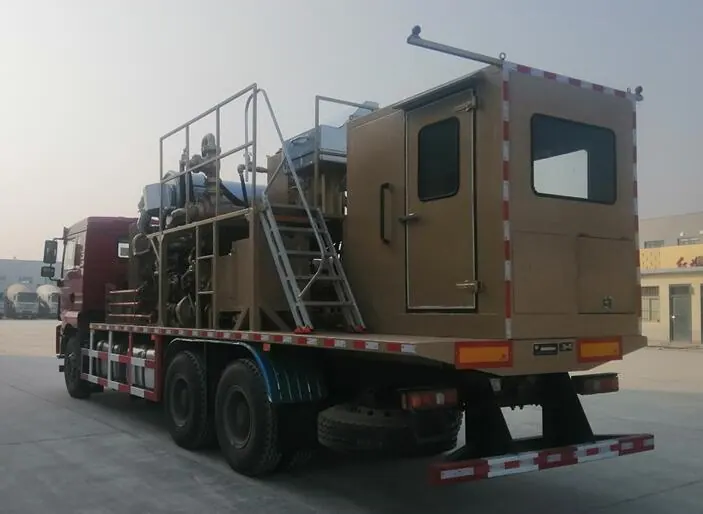
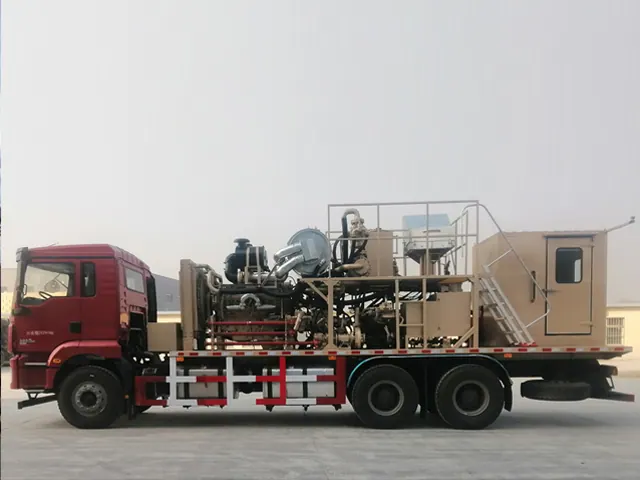
Keep the decision tied to the complete oilfield nitrogen pumping truck: nitrogen source, cold end, vaporizer, drive, delivery controls and the defined customer interfaces. A component option should not quietly change the agreed nitrogen delivery duty or move essential equipment outside the price. Ask the supplier to identify assumptions, exclusions and deviations in the written offer, then resolve them with the responsible engineering and purchasing teams. Use the approved equipment documentation and site procedures for setup, testing and operation.
For the wider equipment scope, consult the Oilfield Nitrogen Pumping Truck: Price and Cost Guide. Use the RFQ checklist to collect the supporting documents before requesting a configuration-specific quotation.
Buyer questions
Does pumping-engine consumption establish total nitrogen delivery cost?
No. Thermal resources, auxiliaries, supply and utilization also affect the comparison.
Can recovered heat be assumed available at every duty?
No. Ask for the available resource at the actual operating cases and identify any additional requirement or restriction.
Background and supplier contact
Cryogenic vaporizer technologies offers related background, not certification of the equipment in a quotation. Applicability must be checked for the project and destination.
Explore the oilfield nitrogen pumping truck, browse all technical resources, or visit Vance Petroleum for company information. Request a nitrogen truck proposal with the relevant delivery cases and site requirements.