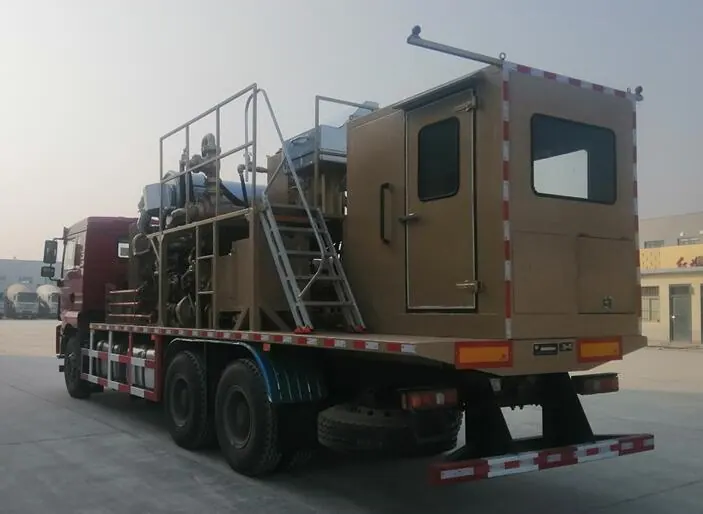
Establish what equipment is actually offered
Request identification of the chassis or mounting format, cold end, drive, vaporizer, storage vessel and controls. Compare the installed configuration with any original brochure supplied by the seller. Equipment may have changed during its service life, so a model name alone does not establish the current duty or component selection. Ask for records and suitable access to the actual machine. Photographs help identify configuration but cannot establish internal condition or replace the qualified inspection needed for the buyer’s intended service.
Review cryogenic and pressure equipment records
Ask for the documentation available for the installed vessel, pressure-containing components and relevant inspection or repair history. Identify gaps and have the responsible qualified specialists determine the review needed for the proposed destination and duty. Do not assign a remaining service life from age or appearance alone. The purchasing comparison should distinguish a documented condition from an assumption. Missing evidence can create additional work, cost or acceptance limitations even when the equipment appears well presented in the seller’s photographs.
Reconcile cold-end and drive service history
Request operating and repair records tied to the installed component identities. Clarify what each hour counter measures and whether it remained with the original assembly. Ask about significant changes, known duties and the support references available for the current configuration. An engine overhaul does not establish the condition of the cold end or thermal system. Where history is incomplete, record the uncertainty and the assessment required before the unit can be considered for the campaign rather than describing it as lightly used without support.
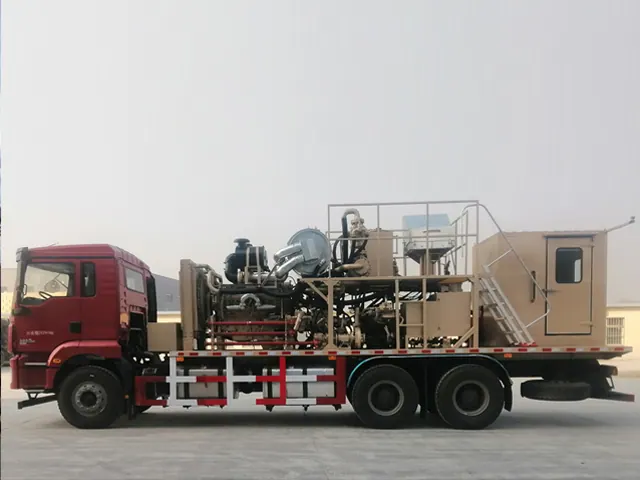
Define refurbishment as an itemized supply scope
Ask the seller to list inspections, repairs, replacements and tests included in the offered price. Distinguish cosmetic work from assessed technical condition. Identify who performs the work and which records will be provided for review. Compare the resulting configuration against the required gas-delivery cases, not just its original advertised capacity. If destination-specific work remains outside the seller’s scope, price and schedule it separately. Refurbished is a description that needs explanation, not a universal acceptance standard or a substitute for component-level evidence.
Include support and uncertainty in the decision
Check the availability of parts, software access and qualified service for the installed equipment. Review transport, import and destination acceptance with the relevant providers. A new-build alternative also needs a defined configuration and test plan; newness does not close an unspecified duty. Compare the two options on the same useful-output and support basis. Confirm any used-machine availability with the seller through a current offer identifying the unit, its condition and terms, rather than assuming this comparison represents a particular stocked machine.
Keep unknown condition separate from a negotiated discount
List the unresolved equipment questions and the evidence or remediation needed to address them. If the seller limits inspection access, retain that limitation in the purchasing review. A lower price does not establish that an unassessed vessel or cold end is suitable for the campaign. Ask the qualified reviewers to identify the technical consequences before the commercial team treats the discount as sufficient compensation. This produces a clearer choice between a documented used package, an identified refurbishment project and an unresolved condition risk.
Put these items side by side in the bid review
| Purchase item | Question to resolve | Evidence to request |
|---|---|---|
| Identity | Actual installed components | Serial-linked configuration schedule |
| Condition | Vessel, cold end and drive evidence | Qualified inspection and service records |
| Refurbishment | Included repairs and remaining work | Itemized scope and acceptance basis |
Suggested wording for the quotation request
Identify the actual used or refurbished nitrogen unit and supply its configuration, available service and inspection records and proposed remediation scope. State unresolved conditions, excluded work and destination limitations. Quote the complete acceptance and support arrangements for that machine rather than relying on its original brochure.
Keep the decision tied to the complete oilfield nitrogen pumping truck: nitrogen source, cold end, vaporizer, drive, delivery controls and the defined customer interfaces. A component option should not quietly change the agreed nitrogen delivery duty or move essential equipment outside the price. Ask the supplier to identify assumptions, exclusions and deviations in the written offer, then resolve them with the responsible engineering and purchasing teams. Use the approved equipment documentation and site procedures for setup, testing and operation.
For the wider equipment scope, consult the Oilfield Nitrogen Pumping Truck Manufacturer Guide. Use the RFQ checklist to collect the supporting documents before requesting a configuration-specific quotation.
Buyer questions
Do operating hours establish the condition of a used pumper?
Not alone. Clarify the counter, duty, repairs and the condition and records of the individual installed systems.
How should used-unit availability be confirmed?
Request a current offer identifying the specific machine, condition, included work and sale terms from the responsible seller.
Background and supplier contact
EIGA industrial-gas publications offers related background, not certification of the equipment in a quotation. Applicability must be checked for the project and destination.
Explore the oilfield nitrogen pumping truck, browse all technical resources, or visit Vance Petroleum for company information. Request a nitrogen truck proposal with the relevant delivery cases and site requirements.