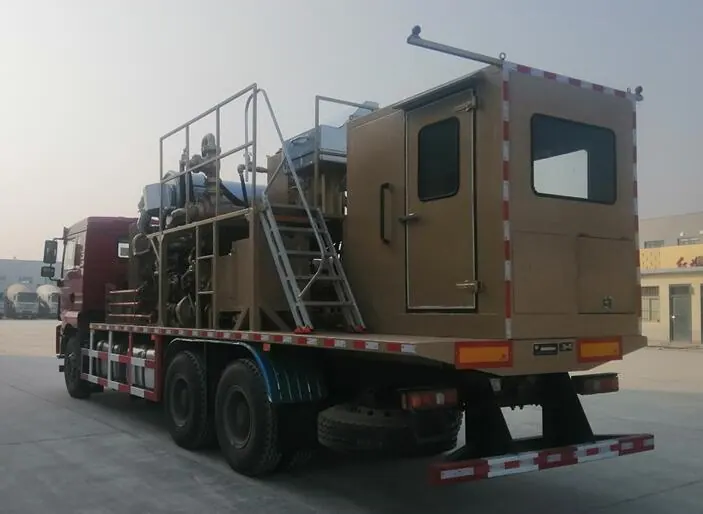
Prepare a combined pumping and auxiliary schedule
Describe the required gas-delivery cases and identify the auxiliary loads that operate with them. Include the proposed vaporizer heat source and any controls or transfer equipment that depend on the drive. A bare pump-power figure can omit important installed demands. State the expected stationary operating duration and the road-use pattern. Ask both suppliers to use the same schedule so the comparison does not favor one option by excluding a load that the other has included.
Verify the actual PTO combination
Identify the chassis transmission, PTO, coupling and any intermediate drive components in the offer. Request the relevant duty approval and interface information from the responsible suppliers. Mechanical fit alone does not establish suitability for the proposed stationary work. Review permitted operating conditions and cooling arrangements for the actual vehicle. If the chassis remains to be selected, keep the drive decision conditional on a completed integration review instead of treating a generic PTO option as compatible with every chassis the buyer might later purchase.
Assess the dedicated-drive installation
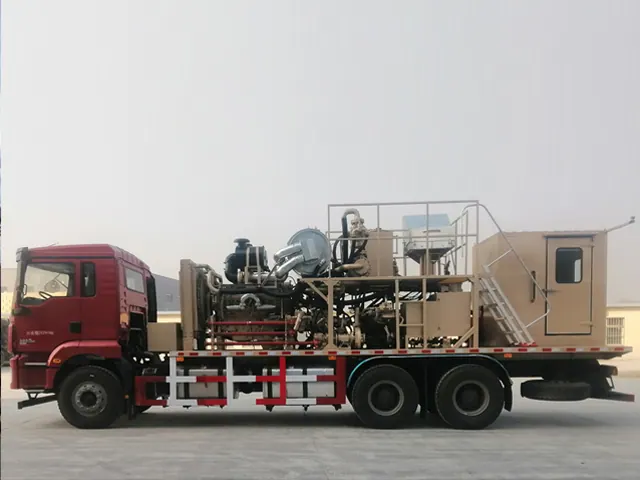
A separate pumping drive needs mounting space, cooling, controls and accessible service points. Ask what fuel, electrical or hydraulic resources it shares with the rest of the truck and what dependencies remain when one system is unavailable. Include the installed mass and layout effect in the review. A second engine is not automatically a backup system, and a separate drive description does not establish that the thermal package remains available if another source stops. Compare the actual proposed architecture rather than assuming independence from component count.
Link power and available heat where appropriate
Some thermal proposals may depend on heat associated with a drive or another process. Ask the supplier to show the relevant availability at each selected operating case, especially during low load or intermittent pumping. Do not use the highest engine rating as proof of useful heat at every gas-delivery point. If the vaporizer relies on a separate source, include that resource in the installed scope. The purchasing decision needs a coherent power and thermal balance rather than unrelated drive and heating claims on separate sales sheets.
Assign support responsibilities for the interfaces
Ask who investigates a fault involving the chassis, PTO, pumping drive and thermal auxiliaries. Identify the destination support channel, required parts and any specialist tools. Compare which problems prevent travel and which prevent nitrogen delivery. The selected arrangement should match the duty and the available maintenance route. A lower initial drive price is not necessarily a better purchase if it depends on an unsupported chassis combination or leaves the operator with an unresolved responsibility boundary between the vehicle and pumping suppliers.
Compare a full stationary-duty proposal for each option
Request two configuration-specific layouts and power schedules when both drive architectures are being considered. Include every load needed to meet the same gas-rate and temperature cases. Ask the suppliers to identify their weakest supported case and the evidence for it. This gives the buyer a more useful basis than comparing engine horsepower alone and helps reveal whether a proposed heat-recovery arrangement, cooling system or service interface depends on assumptions absent from the operating schedule.
Put these items side by side in the bid review
| Purchase item | Question to resolve | Evidence to request |
|---|---|---|
| PTO option | Approved chassis and drive interfaces | Configuration-specific duty information |
| Dedicated drive | Mass, auxiliaries and shared resources | Installed power and layout schedules |
| Support | Ownership of interface faults | Named service and warranty responsibilities |
Suggested wording for the quotation request
Compare PTO and dedicated-drive alternatives for the attached stationary nitrogen duty. Include pumping and thermal auxiliaries, continuous operating assumptions, cooling, installation mass and chassis approvals. Identify shared dependencies and the service responsibility for each interface, with a separate price for required vehicle changes.
Keep the decision tied to the complete oilfield nitrogen pumping truck: nitrogen source, cold end, vaporizer, drive, delivery controls and the defined customer interfaces. A component option should not quietly change the agreed nitrogen delivery duty or move essential equipment outside the price. Ask the supplier to identify assumptions, exclusions and deviations in the written offer, then resolve them with the responsible engineering and purchasing teams. Use the approved equipment documentation and site procedures for setup, testing and operation.
For the wider equipment scope, consult the Oilfield Nitrogen Pumping Truck: Configuration Guide. Use the RFQ checklist to collect the supporting documents before requesting a configuration-specific quotation.
Buyer questions
Is a dedicated pumping engine automatically independent backup?
No. Shared fuel, controls, auxiliaries or thermal resources may remain common dependencies.
Can a PTO be selected from its nominal power alone?
No. The actual chassis, transmission, drive interfaces and permitted stationary duty also require review.
Background and supplier contact
EIGA industrial-gas publications offers related background, not certification of the equipment in a quotation. Applicability must be checked for the project and destination.
Explore the oilfield nitrogen pumping truck, browse all technical resources, or visit Vance Petroleum for company information. Request a nitrogen truck proposal with the relevant delivery cases and site requirements.