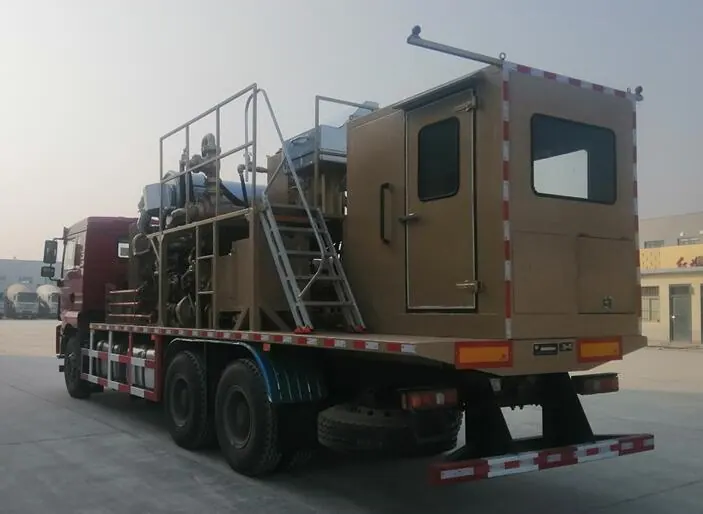
Describe the movement pattern and location
State how frequently the unit moves, how long it remains at each location and what resources are available for transport and positioning. Include access restrictions and the support vehicles that may already be committed to other tasks. A self-propelled truck can suit one fleet pattern while a stationary skid suits another. Ask the supplier to explain the limitations of each proposed arrangement. A general claim of mobility does not describe the lifting, towing, vehicle support or setup resources required by the actual campaign.
Keep the process equipment boundary comparable
List the cold end, storage, vaporizer, drive, controls and connection equipment included in each option. A skid offer may assume an external liquid source or site utilities that a complete truck carries, while a trailer arrangement may also require separately sourced equipment. Request a common process boundary diagram. The buyer should be able to identify whether the mounting-format price difference reflects genuine architectural choices or simply a smaller included equipment scope. Useful gas delivery, quality and duration requirements must remain the same in the comparison.
Review structural and transport interfaces
Ask for the appropriate support, securing and handling documentation for the selected format. Operating supports, transport restraints and lifting arrangements serve different purposes and need an identified design basis. For a trailer, include the required towing and road interfaces in the responsible specialist review. For a skid, identify the carrier and site support assumptions. Do not infer universal transport approval from the presence of a steel frame. The order should define the approved installation and mobilization conditions for the actual equipment and destination.
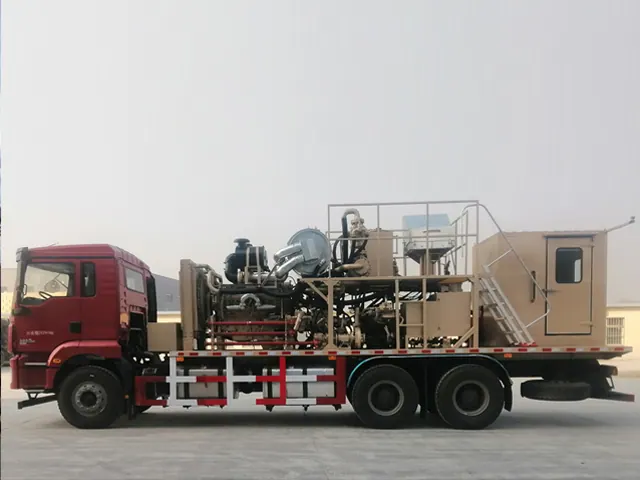
Consider servicing in the working position
Compare access to the cold end, vaporizer, drive and routine inspection points after the package is installed at its intended location. Removable modules can help certain repairs but may introduce lifting and reconnection dependencies. A truck layout can provide convenient mobility while restricting a major component removal route. Ask the maintenance team to review drawings or suitable configuration photographs. Include temporary storage and preservation requirements for equipment between campaigns, so the apparent convenience of the mounting format is evaluated across its operating and maintenance life.
Define where integrated acceptance takes place
Identify which functions are demonstrated with the final liquid source, drive and thermal package at the factory and which remain dependent on destination interfaces. Assign responsibility for completing those items. If interchangeable carriers or site utilities are proposed, state the conditions that govern compatibility and future changes. Choose the mounting format whose complete deployment and support requirements fit the fleet plan. A lower module price is useful only when the missing interfaces and supporting resources are deliberately included in the purchasing decision.
Compare a realistic relocation for each offer
List the personnel, transport, lifting, connection equipment and checks needed to move each arrangement between two representative locations. Keep the estimates tied to the agreed procedures and site conditions. Include supporting resources that cannot be assumed available at short notice. This exercise gives the buyer a practical comparison of deployment commitments and prevents modularity or self-propelled mobility from becoming a substitute for the complete campaign plan. Retain the agreed assumptions alongside the equipment layout and price schedule.
Put these items side by side in the bid review
| Purchase item | Question to resolve | Evidence to request |
|---|---|---|
| Process scope | Same source-to-connection equipment | Comparable package diagrams |
| Deployment | Transport, lifting and towing resources | Destination-specific interface review |
| Acceptance | Installed versus site-dependent functions | Factory and destination completion plan |
Suggested wording for the quotation request
Quote technically suitable truck, skid or trailer alternatives against the same nitrogen duty. Identify all process equipment, support resources, handling and transport interfaces and site utilities. Explain acceptance boundaries and show the cost of completing each alternative to an operational package at the stated destination.
Keep the decision tied to the complete oilfield nitrogen pumping truck: nitrogen source, cold end, vaporizer, drive, delivery controls and the defined customer interfaces. A component option should not quietly change the agreed nitrogen delivery duty or move essential equipment outside the price. Ask the supplier to identify assumptions, exclusions and deviations in the written offer, then resolve them with the responsible engineering and purchasing teams. Use the approved equipment documentation and site procedures for setup, testing and operation.
For the wider equipment scope, consult the Oilfield Nitrogen Pumping Truck: Configuration Guide. Use the RFQ checklist to collect the supporting documents before requesting a configuration-specific quotation.
Buyer questions
Does skid-mounted mean the liquid source is included?
Not necessarily. Storage and upstream supply equipment must be identified explicitly in the offer.
Is a truck always preferable for frequent moves?
Evaluate the actual route, loading, supply and support conditions before selecting the mounting format.
Background and supplier contact
EIGA industrial-gas publications offers related background, not certification of the equipment in a quotation. Applicability must be checked for the project and destination.
Explore the oilfield nitrogen pumping truck, browse all technical resources, or visit Vance Petroleum for company information. Request a nitrogen truck proposal with the relevant delivery cases and site requirements.