Separate the liquid and gas connection schedules
Draw the route from the liquid source to the cold end and the separate route from gas discharge to the customer connection. Identify each assembly, measurement point and ownership boundary. Similar-looking connectors do not make two service duties interchangeable. Ask the supplier to show which items are standard delivery and which are options or site-provided equipment. The purchase comparison should cover two complete connection paths with their own conditions, rather than one undifferentiated quantity of hose included with the truck.
Define the documented service envelope
Request the manufacturer identification and relevant pressure, temperature, fluid-service and installation limits for complete assemblies. The assembly includes its end connections and any intermediate components, not just the flexible section. The responsible equipment designer should review suitability for the actual liquid or gas duty. Avoid using the pump’s pressure number as the only selection criterion. Temperature location, compatible materials and the specific assembly documentation also affect the intended application and need to be visible in the supplier’s response.
Specify reach and installed routing
Describe the working positions of the truck, liquid source and receiving connection. Include the route and required access rather than ordering length from straight-line distance alone. Ask how the proposed assemblies can be positioned and stored within their manufacturer requirements. Additional adapters and unnecessary length can change handling and the complete flow path. Price optional extensions separately so the buyer can distinguish genuinely required reach from accessories offered without a clear use in the campaign.
Review handling, storage and inspection access
Identify the approved handling resources, storage arrangement and access for checking assembly condition and identification. Ask for end protection and replacement references suitable for the delivered set. A reel or rack does not by itself establish that an assembly can be used in every proposed routing. The operating team should review the actual package under its procedures. Include any tools and support equipment needed to move and connect the supplied items so an apparently complete kit does not create a new mobilization dependency at the location.
Close the packing list against the drawings
The delivered identification, documents and quantities should reconcile with the connection schedule. Request an itemized packing list and clarify any buyer-owned assemblies that require their own review. Agree on the records needed for acceptance and how future replacements are approved. Keep adapters and seals distinguishable from complete assemblies whose ratings depend on their construction. A traceable kit helps the buyer maintain the intended service boundary after delivery, rather than rely on informal descriptions when worn or damaged items need replacement.
Ask the receiving crew to identify every supplied assembly
Review a sample equipment list with the team that will receive and store the kit. Check whether the references allow them to distinguish cryogenic-transfer items from gas-discharge items and match them to the appropriate documents. This is more useful than assuming color or connector appearance prevents confusion. If existing site equipment will be reused, list it separately and assign its suitability review. The final purchasing record should explain exactly what the seller is providing and which interfaces remain dependent on buyer-controlled equipment.
Put these items side by side in the bid review
| Purchase item | Question to resolve | Evidence to request |
|---|---|---|
| Liquid path | Cryogenic transfer duty and source interface | Identified assembly schedule |
| Gas path | Discharge condition and customer reach | Complete pressure-temperature documentation |
| Handover | Storage, inspection and replacement | Packing list and reference records |
Suggested wording for the quotation request
Provide separate liquid-transfer and gas-discharge connection schedules for the proposed nitrogen truck. Identify complete assemblies, manufacturer references, service limits, lengths, end connections and handling equipment. State the inspection records supplied and list every adapter, extension or site-owned component excluded from the price.
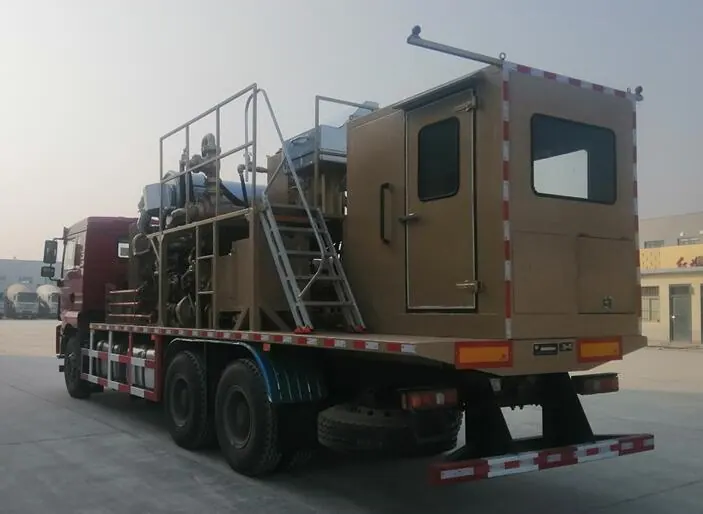
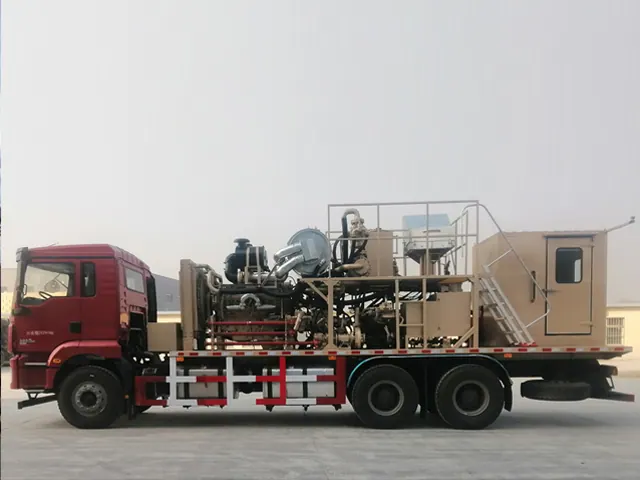
Keep the decision tied to the complete oilfield nitrogen pumping truck: nitrogen source, cold end, vaporizer, drive, delivery controls and the defined customer interfaces. A component option should not quietly change the agreed nitrogen delivery duty or move essential equipment outside the price. Ask the supplier to identify assumptions, exclusions and deviations in the written offer, then resolve them with the responsible engineering and purchasing teams. Use the approved equipment documentation and site procedures for setup, testing and operation.
For the wider equipment scope, consult the Oilfield Nitrogen Pumping Truck: Pre-Job Checklist. Use the RFQ checklist to collect the supporting documents before requesting a configuration-specific quotation.
Buyer questions
Can liquid and gas hoses be compared only by pressure rating?
No. Temperature, service, construction, connections and the complete assembly documentation also need review.
Does a compatible connection prove that an existing site hose is suitable?
No. The actual assembly condition, records and intended service must also be assessed by the responsible parties.
Background and supplier contact
EIGA industrial-gas publications offers related background, not certification of the equipment in a quotation. Applicability must be checked for the project and destination.
Explore the oilfield nitrogen pumping truck, browse all technical resources, or visit Vance Petroleum for company information. Request a nitrogen truck proposal with the relevant delivery cases and site requirements.