Start with the customer’s reporting requirement
Identify what the record must establish about the delivery: operating pressure, temperature, gas rate, totalized quantity or significant events. Ask which values the customer expects to be measured directly and which calculated values are acceptable for the stated purpose. Keep the report scope linked to the equipment boundary. More displayed channels do not establish better evidence if the measurement location, units and source of each value are unclear. Request a sample report before choosing optional software or connected features.
Define the gas-volume and totalization basis
Record the reference temperature, pressure and composition assumptions relevant to the quoted volume values. Distinguish gaseous delivery from liquid inventory or consumption. Ask the supplier to explain the method used for each displayed or reported quantity. A total inferred from pump operation is a different measurement approach from a meter at the gas connection and should be identified accordingly. The buyer’s technical team can then assess suitability for the customer requirement rather than infer accuracy from a familiar unit label or the number of decimal places shown.
Link instrument records to installed locations
Request an instrument and channel schedule covering device identity, position, range and the records required by the order. Identify where a calculated channel depends on multiple measurements or configuration values. Ask how replacements and calibration changes are reflected in the reporting system. The delivered documentation should let a later reviewer understand which instruments produced a job record. A generic calibration certificate or catalogue accuracy claim should not be substituted for the evidence appropriate to the actual devices and measurement method included in the package.
Specify storage, export and access
Agree on timestamps, recording intervals, event handling, file formats and the behavior when storage or communications are unavailable. Clarify ownership and continued access to records, including any software, subscription or network dependency. A local export may meet the need even where remote connectivity is impractical. If a connected feature is proposed, include the site’s technical and access requirements. The purchasing decision should ensure that the customer can retain and interpret the evidence after delivery, not merely view a polished screen during the sales demonstration.
Demonstrate the reporting workflow
During acceptance, create a representative job record, export it and reconcile the channels with the instrument schedule. Include the relevant operating range and an approved event or interruption case where required. Confirm the software and configuration references handed over with the unit. Compare offers on a usable measurement and reporting chain. A more elaborate interface is not inherently more suitable if the gas-volume basis remains undefined, a calculated quantity is presented as directly measured or the buyer cannot obtain the records needed by the customer.
Open the proposed export before approving the software option
Ask the operating or data team to inspect a sample file using the intended tools. Check whether it contains the job identity, channel meanings, units and reference conditions needed for later review. Clarify whether access continues when a service subscription ends or the truck operates without network coverage. This practical check can expose a gap between an attractive report image and the actual deliverable. Record the accepted format and measurement basis with the order so later software changes do not silently alter the evidence provided to customers.
Put these items side by side in the bid review
| Purchase item | Question to resolve | Evidence to request |
|---|---|---|
| Quantity basis | Gas reference conditions and method | Defined calculation and measurement chain |
| Instruments | Installed identity, range and location | Channel and calibration schedule |
| Records | Export, ownership and interpretation | Demonstrated sample job file |
Suggested wording for the quotation request
Quote the nitrogen measurement and recording package against the attached report requirements. Identify measured and calculated channels, gas reference conditions, totalization method and calibration scope. Supply a sample export and state file ownership, software dependencies, storage behavior and any recurring charges.
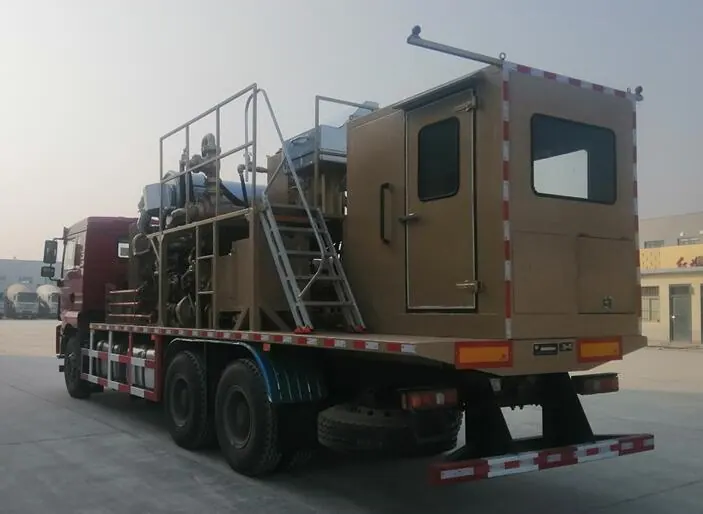
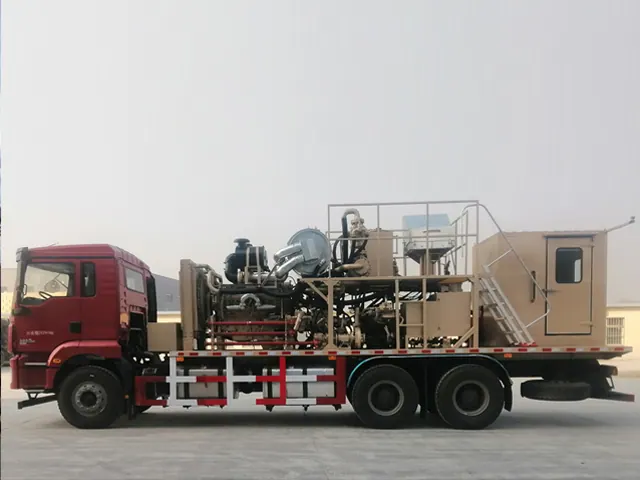
Keep the decision tied to the complete oilfield nitrogen pumping truck: nitrogen source, cold end, vaporizer, drive, delivery controls and the defined customer interfaces. A component option should not quietly change the agreed nitrogen delivery duty or move essential equipment outside the price. Ask the supplier to identify assumptions, exclusions and deviations in the written offer, then resolve them with the responsible engineering and purchasing teams. Use the approved equipment documentation and site procedures for setup, testing and operation.
For the wider equipment scope, consult the Oilfield Nitrogen Pumping Truck: FAT Checklist. Use the RFQ checklist to collect the supporting documents before requesting a configuration-specific quotation.
Buyer questions
Does a digital gas-rate display prove direct measurement?
No. Ask whether the value is measured or calculated and review the complete method and assumptions.
Can totals from different volume reference conditions be compared directly?
Not without an agreed basis and the necessary technical review of the original data and conversions.
Background and supplier contact
EIGA industrial-gas publications offers related background, not certification of the equipment in a quotation. Applicability must be checked for the project and destination.
Explore the oilfield nitrogen pumping truck, browse all technical resources, or visit Vance Petroleum for company information. Request a nitrogen truck proposal with the relevant delivery cases and site requirements.