Start at the downstream equipment boundary
Define the accepted gas-temperature range at the customer connection with the responsible system designer. Include the hose, manifold and site equipment that receive the gas. A temperature measured within the vaporizer may not describe the condition at the final interface. Keep the well or process limits distinct from the capability of the truck. The purchase enquiry should give the equipment supplier a defined requirement rather than ask a general safety feature list to establish what temperature every connected component can tolerate.
Identify the measurement points and instruments
Request a schedule showing where temperature is measured, which channels are displayed and which signals are used by the control system. Ask how the proposed instrument range and installation support the intended purpose. A high-resolution display does not establish a suitable measurement arrangement. Identify any downstream or site-provided instruments and who supplies their records. The buyer should be able to relate a value in the acceptance report to a specific installed location and device rather than an unspecified outlet-temperature indicator.
Request the approved control-response description
Ask the supplier to document the required response to temperature conditions, signal faults and relevant changes in operation. The system designer should define the behavior and any protective functions appropriate to the complete package. Procurement should require that design and its evidence, rather than prescribe universal setpoints from a sales comparison. Clarify how operators see the relevant status and what is retained in the job record. The proposed functions must be distinguished from optional recording or remote-display features that do not themselves provide the required response.
Include transitions in the review
The specified temperature basis should cover relevant startup, rate-change and interruption conditions, not only a stable high-output point. Ask which cases are addressed by the design and which remain dependent on site procedures or downstream equipment. The purpose is to establish the purchased operating envelope, not to create a generic startup sequence. Keep the limitations visible in the quotation. An attractive steady-state temperature figure cannot resolve an undefined transition that the campaign encounters regularly.
Verify the installed function before handover
Agree on the functional tests, instrumentation records and configuration references needed to demonstrate the selected design. Identify any conditions that cannot be reproduced during factory acceptance and assign responsibility for completing the review. The final record should describe the actual installed system, including software or setting revisions relevant to the function. Compare offers on that complete scope. A package with several temperature displays may still leave the required response and downstream interface unresolved if those items were never included in the purchase specification.
Ask whether the quoted feature is indication, control or protection
Suppliers may use temperature monitoring to describe several different capabilities. Ask them to name each function, identify the measurement that supports it and state what evidence will demonstrate it. Keep optional trend recording separate from the response required by the equipment design. This allows the buyer to compare the same function across offers and avoids paying for an impressive-looking display that does not answer the actual interface requirement. The responsible engineering team should approve the final design against the intended connected equipment.
Put these items side by side in the bid review
| Purchase item | Question to resolve | Evidence to request |
|---|---|---|
| Interface limit | Gas condition at the receiving connection | Approved downstream requirements |
| Measurement | Location, range and function | Instrument schedule |
| Response | Defined behavior and test scope | Control description and acceptance record |
Suggested wording for the quotation request
Provide the outlet-temperature measurement and control proposal for the stated downstream limits. Identify sensing locations, indicated and recorded channels, response functions and fault behavior. Include configuration-specific documentation and the planned functional tests, with any site-dependent items clearly assigned.
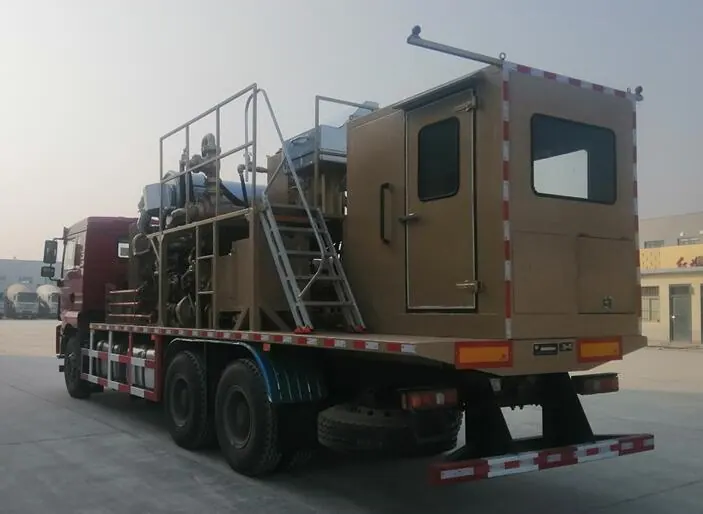
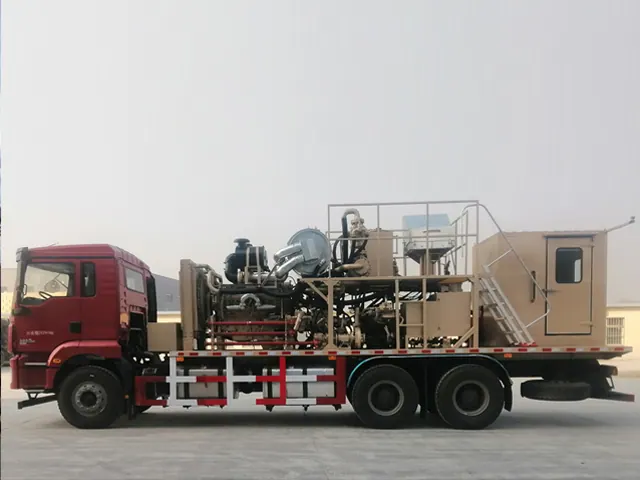
Keep the decision tied to the complete oilfield nitrogen pumping truck: nitrogen source, cold end, vaporizer, drive, delivery controls and the defined customer interfaces. A component option should not quietly change the agreed nitrogen delivery duty or move essential equipment outside the price. Ask the supplier to identify assumptions, exclusions and deviations in the written offer, then resolve them with the responsible engineering and purchasing teams. Use the approved equipment documentation and site procedures for setup, testing and operation.
For the wider equipment scope, consult the Oilfield Nitrogen Pumping Truck: Safety Systems Guide. Use the RFQ checklist to collect the supporting documents before requesting a configuration-specific quotation.
Buyer questions
Does a temperature display establish a protective function?
No. Indication, control, recording and protection are different functions that must be specified and verified separately.
Should the buyer select a universal low-temperature setting?
No. The responsible designers should establish the requirements for the actual equipment and downstream system.
Background and supplier contact
EIGA industrial-gas publications offers related background, not certification of the equipment in a quotation. Applicability must be checked for the project and destination.
Explore the oilfield nitrogen pumping truck, browse all technical resources, or visit Vance Petroleum for company information. Request a nitrogen truck proposal with the relevant delivery cases and site requirements.