Identify why the customer requires a gas specification
Record the process requirements that govern nitrogen composition and relevant impurities. Ask the responsible process team to distinguish general purity from a specific oxygen, moisture or other constituent limit. Different applications can require different evidence even when the nominal nitrogen percentage is similar. Keep commercial preferences distinguishable from mandatory customer requirements. The equipment enquiry should carry the agreed specification and measurement basis so the supplier can assess the complete package without inferring the gas-quality objective from a broad application name.
Separate the source certificate from delivery evidence
Ask the gas supplier for the appropriate source specification and records, then identify what handling and equipment lies between that source and the customer connection. A source certificate establishes information about its stated batch or supply boundary; it does not automatically close every downstream condition. Clarify which party is responsible for preserving and checking the required quality through the supplied package. The buyer should be able to follow the chain of evidence without asking the truck manufacturer to certify a gas source it does not control.
Define sampling location and method
The agreed quality limits need an identified sampling point, test method and interpretation basis. Ask whether the equipment offer includes the necessary sampling facilities or only connections for customer instruments. Measurement conditions can matter when comparing moisture or other gas-quality readings. Do not rank offers by a displayed value without understanding its method and location. Request a sample report format so the customer can see whether the delivered evidence will answer the actual specification rather than merely provide a generic nitrogen-purity statement.
Review quality-related equipment options
Ask which materials, cleanliness requirements, instrumentation or handling features are included to support the specified duty. Avoid assuming that a purity display, a filter or a particular material name guarantees all required constituents. The technical response should explain the role and limits of each option. Identify consumables, calibration needs and any external services required to maintain the agreed evidence. A low base price can be misleading if the sampling and verification scope needed by the customer is entirely excluded.
Agree acceptance and operational responsibilities
Define what can be demonstrated at the factory, which source conditions apply and what must be verified at the destination. Identify who supplies gas-quality records for later campaigns and how changes in source or application are reviewed. The purchase order should align equipment capability with the buyer’s quality obligations without treating one trial as proof of every future supply. Keep unresolved quality requirements explicit until the responsible parties agree the specification, measurement method and supporting scope.
Avoid comparing purity figures stated at different boundaries
One offer may quote purchased liquid-nitrogen purity while another states a generated-gas value or an instrument reading at a different process point. Put the origin of each figure into the bid table. Ask which impurities are included in the specification and how evidence reaches the customer. This makes the commercial review more useful than choosing the largest percentage and reveals whether an apparent price difference arises from different gas sources, measurement scope or equipment responsibilities rather than the pumping truck itself.
Put these items side by side in the bid review
| Purchase item | Question to resolve | Evidence to request |
|---|---|---|
| Specification | Required constituents and limits | Process-approved gas requirements |
| Supply boundary | Source quality and ownership | Gas-supplier records |
| Delivery evidence | Sampling point and method | Agreed verification and report scope |
Suggested wording for the quotation request
Respond to the attached nitrogen-quality specification at the named supply and customer boundaries. Identify sampling facilities, measurement methods, included instruments and required source records. Separate equipment responsibility from gas-supplier responsibility and state the acceptance evidence and recurring verification scope included in the offer.
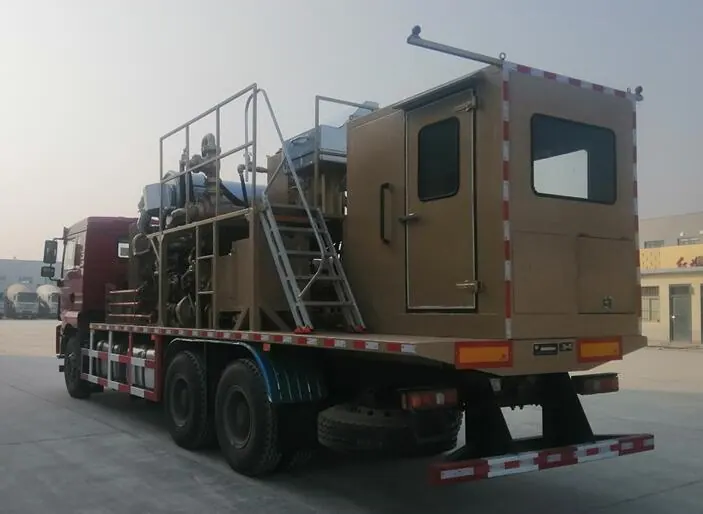
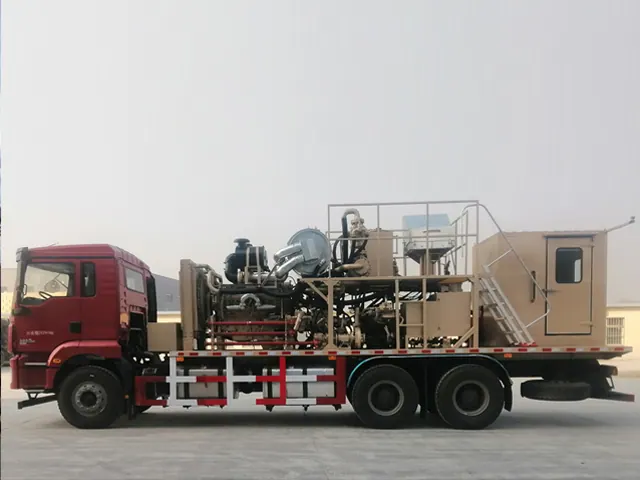
Keep the decision tied to the complete oilfield nitrogen pumping truck: nitrogen source, cold end, vaporizer, drive, delivery controls and the defined customer interfaces. A component option should not quietly change the agreed nitrogen delivery duty or move essential equipment outside the price. Ask the supplier to identify assumptions, exclusions and deviations in the written offer, then resolve them with the responsible engineering and purchasing teams. Use the approved equipment documentation and site procedures for setup, testing and operation.
For the wider equipment scope, consult the Oilfield Nitrogen Pumping Truck: Compatibility Guide. Use the RFQ checklist to collect the supporting documents before requesting a configuration-specific quotation.
Buyer questions
Does a high nitrogen percentage establish every quality requirement?
No. Relevant oxygen, moisture or other constituent requirements and their measurement basis need explicit review.
Can a supply certificate replace all downstream verification?
Not automatically. Match each record to its stated boundary and identify the evidence required at the customer connection.
Background and supplier contact
EIGA industrial-gas publications offers related background, not certification of the equipment in a quotation. Applicability must be checked for the project and destination.
Explore the oilfield nitrogen pumping truck, browse all technical resources, or visit Vance Petroleum for company information. Request a nitrogen truck proposal with the relevant delivery cases and site requirements.