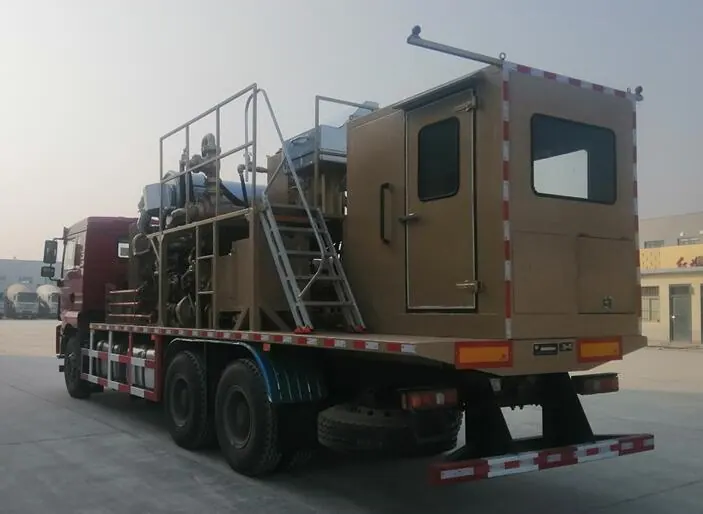
Describe the mobilization pattern
State the number of moves, expected time at each location and the resources available to support the truck. An onboard vessel may suit frequent short visits, but its practical autonomy depends on the selected inventory and replenishment plan. An external source may suit a longer operation where suitable supply equipment can remain in position. Ask the operator and gas supplier to review the same schedule. Do not treat either arrangement as universally self-contained or independent of the wider liquid-nitrogen delivery chain.
Identify what the external-supply offer includes
List the source vessel, transfer connections, instrumentation and any additional equipment needed between the source and the truck. Ask who supplies, maintains and operates each item. A pumping module without onboard storage can appear less expensive while relying on a separately hired or site-owned package. Put those dependencies into the commercial comparison. Keep equipment ownership distinct from the approved operating procedure; the fact that a connection is included does not determine which party is authorized to operate the upstream vessel or perform liquid-transfer work.
Review source compatibility for both alternatives
An integrated vessel and an external source can present different inlet conditions to the cold end. Ask the equipment supplier to assess each proposed arrangement against the selected pump requirements. Include expected source variation through the job and the actual transfer path. A supplier’s standard factory source should not be assumed to represent every external vessel. Record any conditions that must be confirmed by the gas supplier before equipment release, so an unresolved interface is not concealed within a general statement that external LN2 supply is supported.
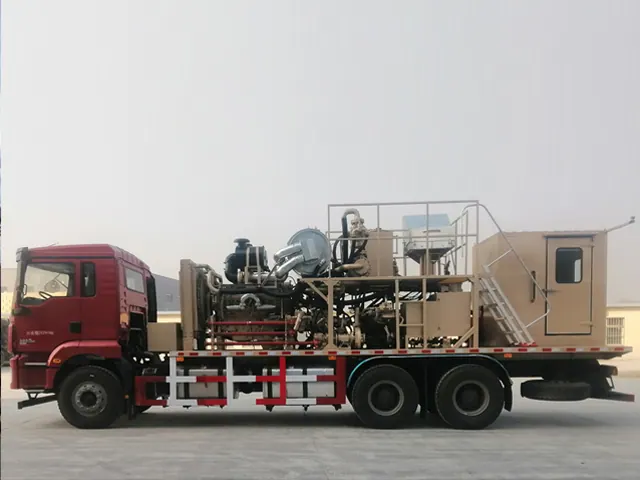
Compare occupied space and vehicle loading
The onboard option carries vessel mass and inventory on the truck, while the external option occupies space and requires access at the site. Review both the road configuration and the working layout. Include delivery-vehicle movements and the resources that must remain available during pumping. A reduction in the truck’s mass can be commercially useful, but it does not eliminate the loading, transport and placement requirements of the external source. Compare the full deployed system rather than transferring an inconvenient item outside the vehicle drawing.
Agree on continuity and replacement arrangements
Ask what happens when the normal source cannot be replenished on schedule or an external supply item is unavailable. Identify the inventory and alternative arrangements actually included in the offer. Do not infer backup capability from the presence of two physical vessels without an approved design and operating basis. The purchase should establish a supportable supply boundary for the planned campaign. Where the final source is not yet selected, retain the interface approval as an explicit milestone instead of accepting a blanket compatibility claim.
Cost the second vehicle when it is required
An external-source arrangement may need transport equipment to remain at the location or return at specific times. Include those commitments when comparing the two packages. Conversely, carrying a large integrated vessel on every road journey may not suit the operating pattern. Ask both suppliers to describe the resources needed to reach and sustain the required delivery duty. This makes it possible to compare the complete campaign arrangement without assuming that a lower pumping-truck price automatically produces a lower mobilization or supply cost.
Put these items side by side in the bid review
| Purchase item | Question to resolve | Evidence to request |
|---|---|---|
| Onboard storage | Vehicle inventory and replenishment | Complete loading and supply plan |
| External source | Support equipment and responsibility | Source-to-pump boundary schedule |
| Working site | Space, access and continuity | Deployed layout and resource commitments |
Suggested wording for the quotation request
Provide onboard-storage and external-LN2 alternatives for the attached campaign. Define source compatibility, transfer equipment, deployed footprint, vehicle loading and supporting resources. Price excluded supply items separately and identify the approvals needed before the final liquid source can be accepted.
Keep the decision tied to the complete oilfield nitrogen pumping truck: nitrogen source, cold end, vaporizer, drive, delivery controls and the defined customer interfaces. A component option should not quietly change the agreed nitrogen delivery duty or move essential equipment outside the price. Ask the supplier to identify assumptions, exclusions and deviations in the written offer, then resolve them with the responsible engineering and purchasing teams. Use the approved equipment documentation and site procedures for setup, testing and operation.
For the wider equipment scope, consult the Oilfield Nitrogen Pumping Truck: Utility Planning. Use the RFQ checklist to collect the supporting documents before requesting a configuration-specific quotation.
Buyer questions
Does an external source remove the need to plan LN2 inventory?
No. Inventory, replenishment and continuity remain part of the campaign, even when storage is outside the truck.
Is onboard storage automatically the quickest deployment option?
Not in every situation. Compare the actual route, site resources, supply interfaces and approved mobilization arrangements.
Background and supplier contact
EIGA industrial-gas publications offers related background, not certification of the equipment in a quotation. Applicability must be checked for the project and destination.
Explore the oilfield nitrogen pumping truck, browse all technical resources, or visit Vance Petroleum for company information. Request a nitrogen truck proposal with the relevant delivery cases and site requirements.